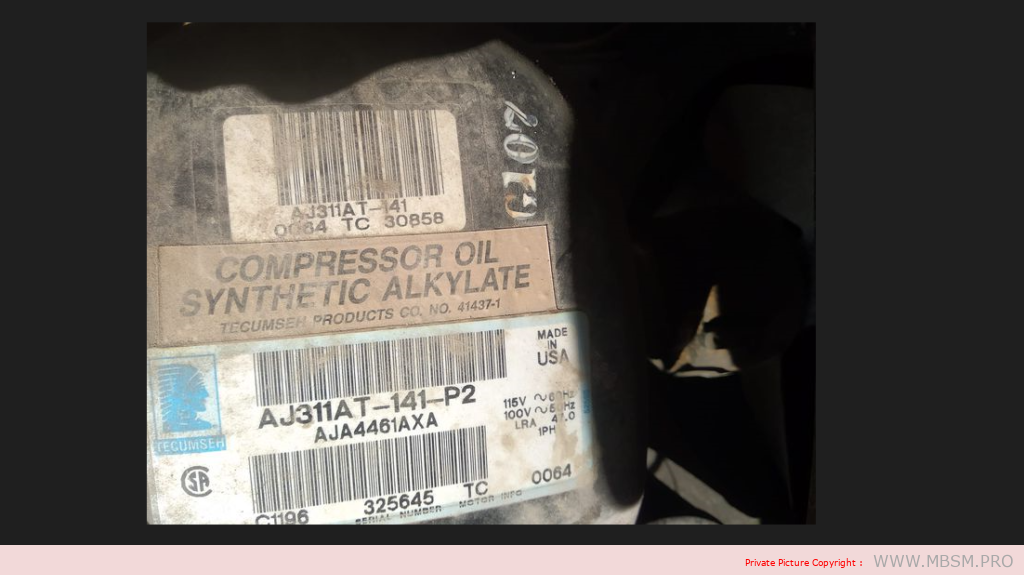
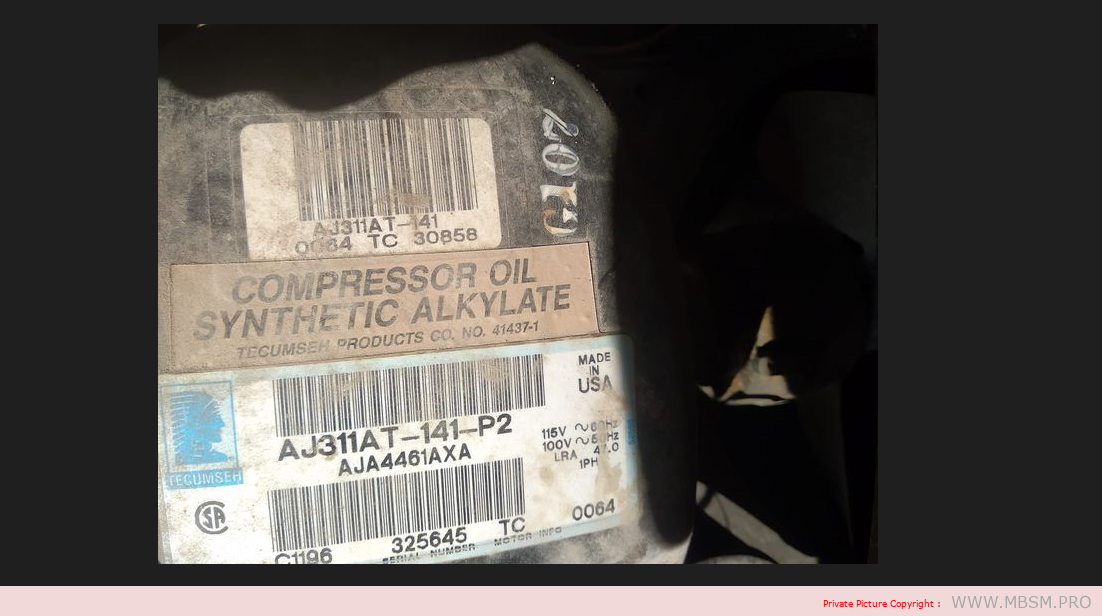
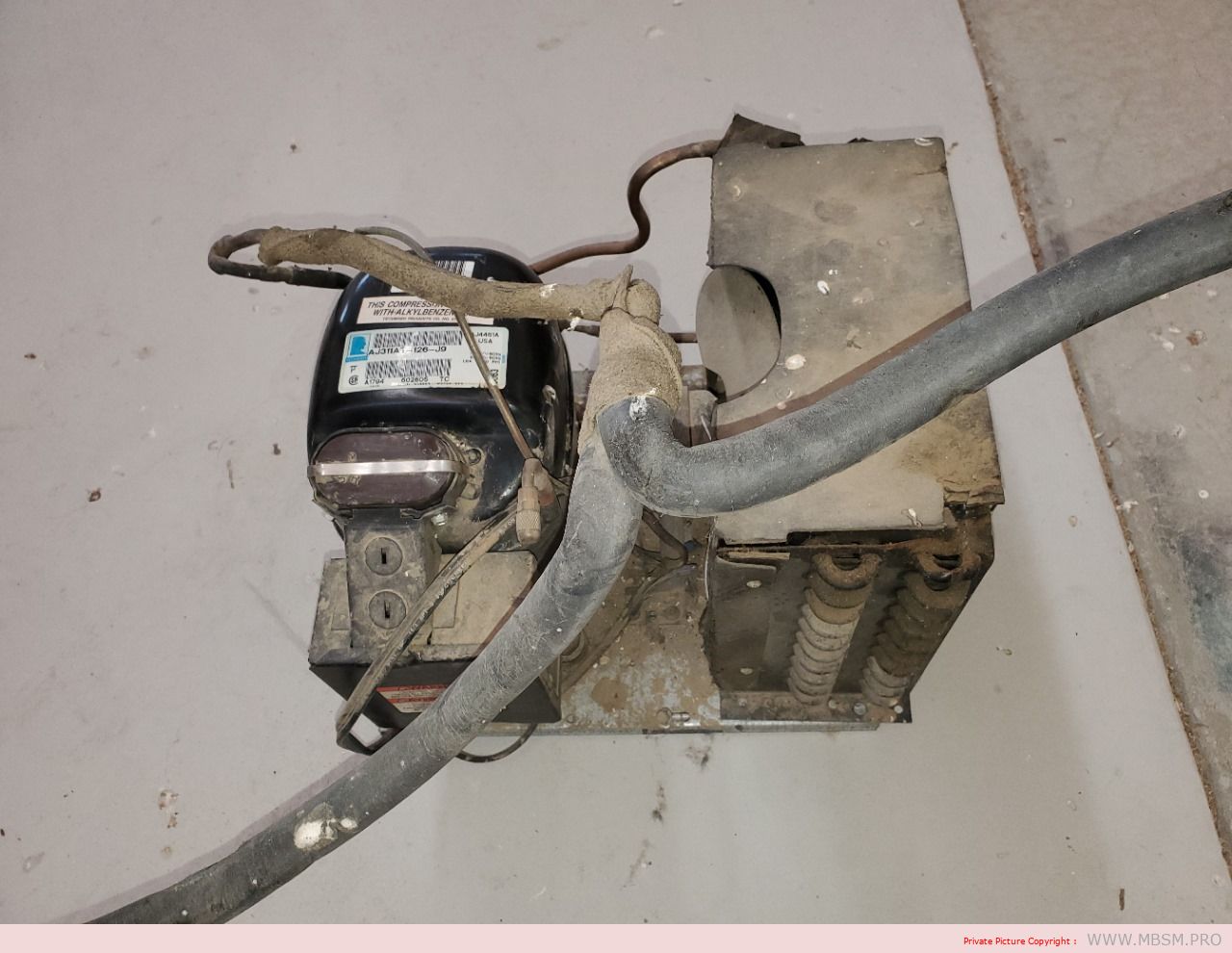
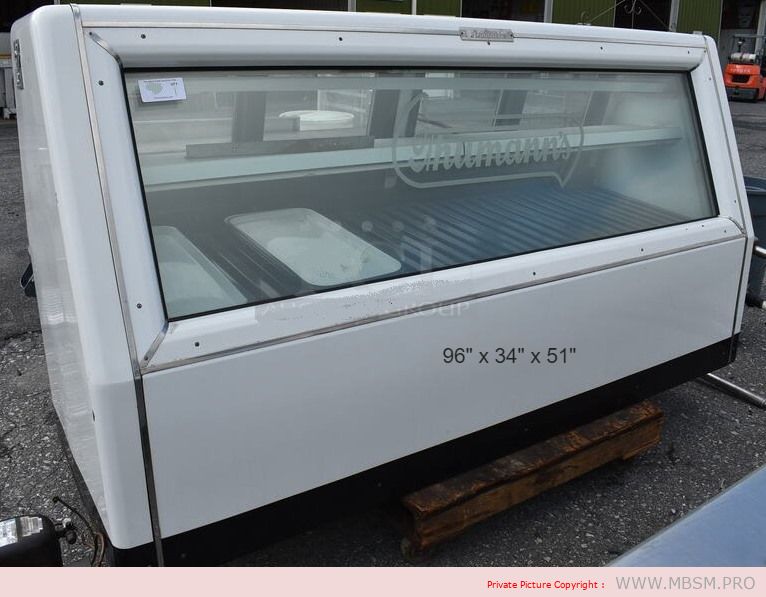
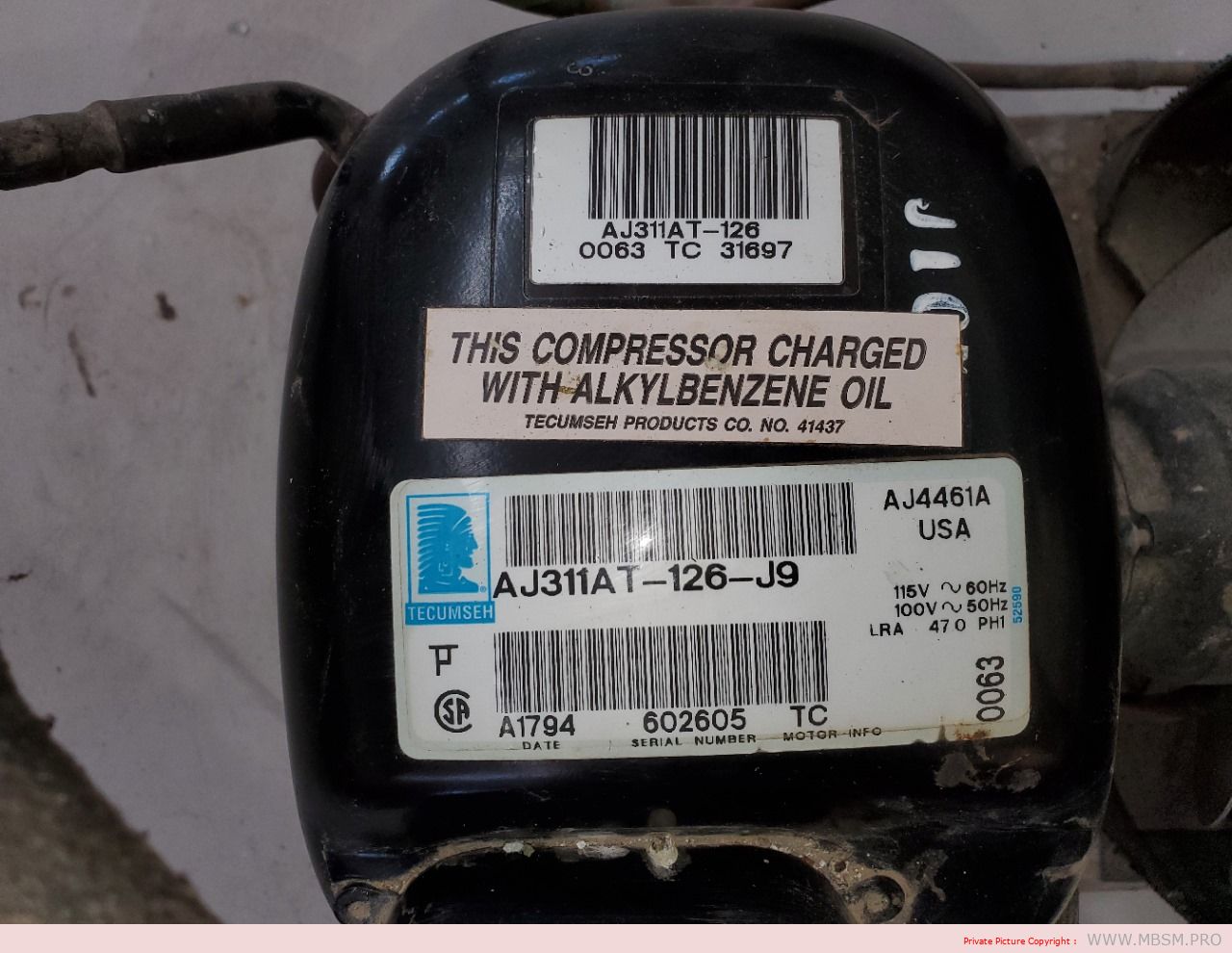
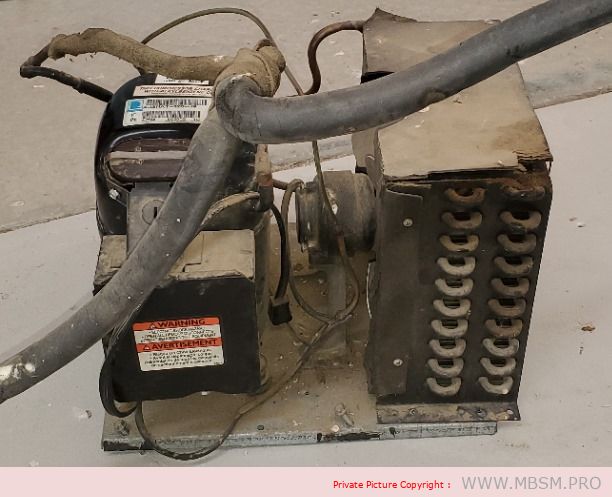
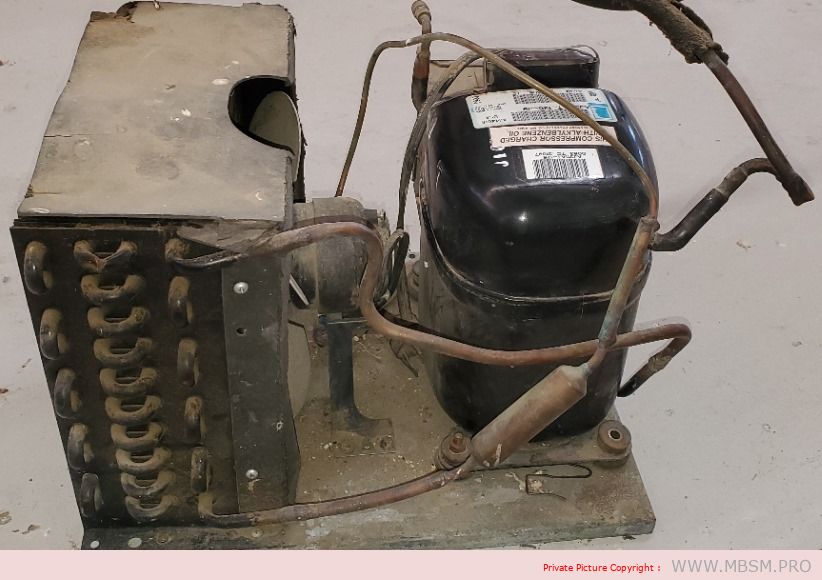
Mbsm.pro, AJA4461AXA, Tecumseh, Compressors, AJ311AT-141-J7, 115V, 1/2HP, R12, high temperature, 6100 BTU,

Tecumseh® Reciprocating Compressor, Series: AJ, Model: AJA4461AXA, 6100 BTU/hr, 115 VAC, 9.1 Amp, 60 Hz, 1 PH, 1/2 hp, 900 Watt, R-12 Refrigerant, Synthetic Alkylate Oil, 3/4 inch suction, 5/16 inch discharge, 45 degree F evaporator, 130 degree F condensing, 95 degree F return gas, ambient temperature, 115 degree F liquid, 11.774 inch length x 6.594 inches x 10.219 inches tall


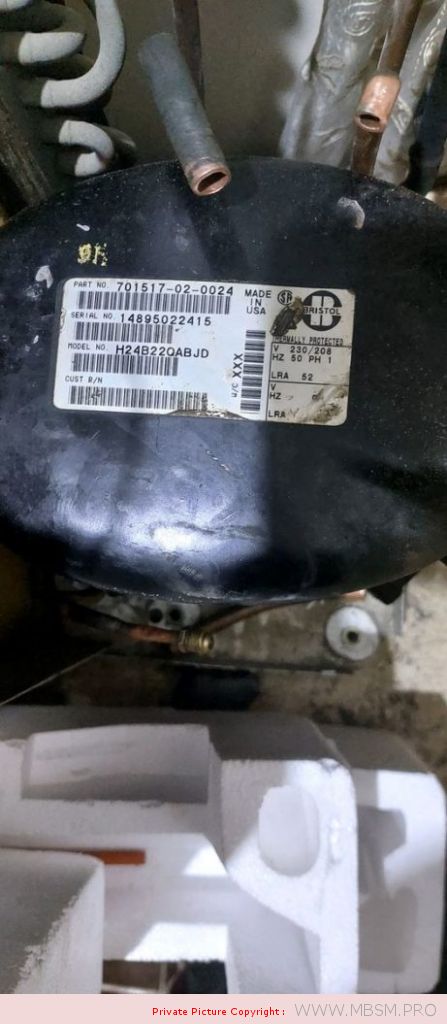
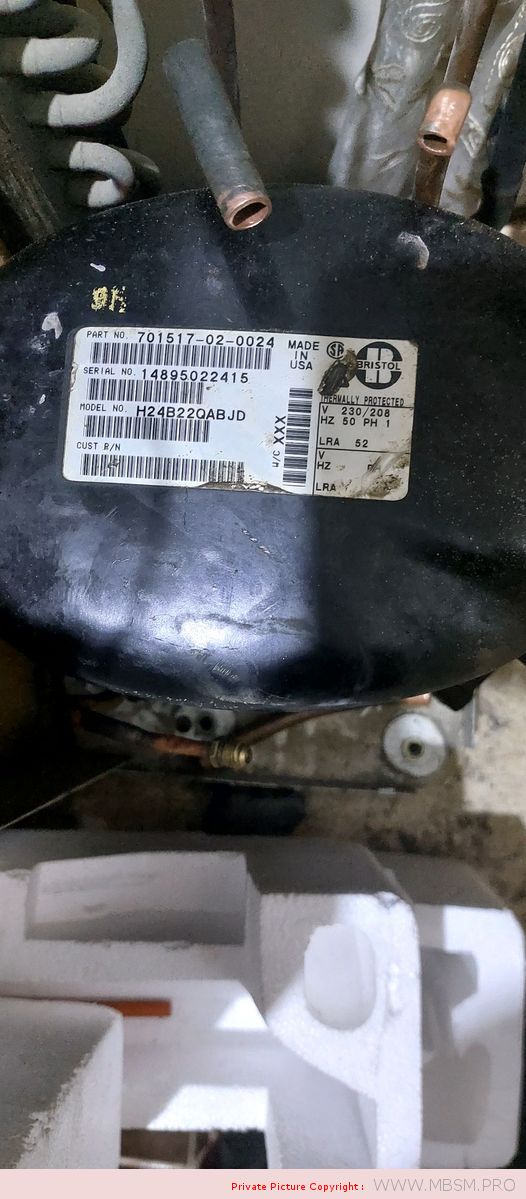
Mbsm.pro, Bristol, Compressor, H24B22QABJC, 21800 btu/h, H24BQ SERIES, 6397 W, 230 v, 1 Phase, lra 52 A, Compressors, Chillers & Condensers, high temperature, R22, basic model, model B, PSC capacitor, line break internal, capillarie, 0.64/80 cm, 0.70/100 cm


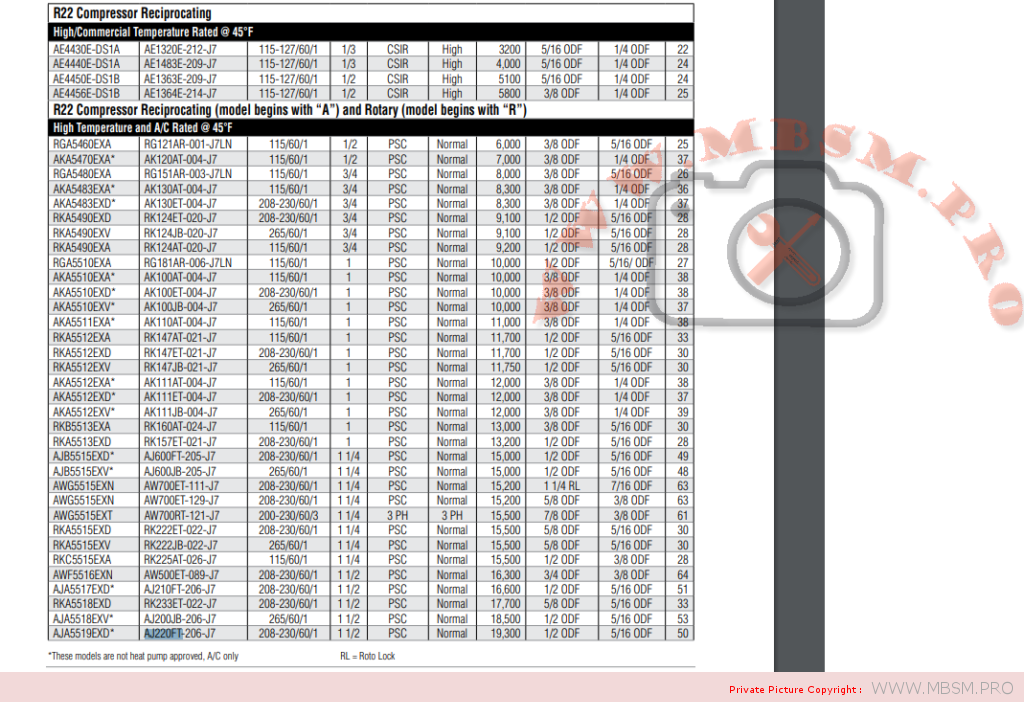
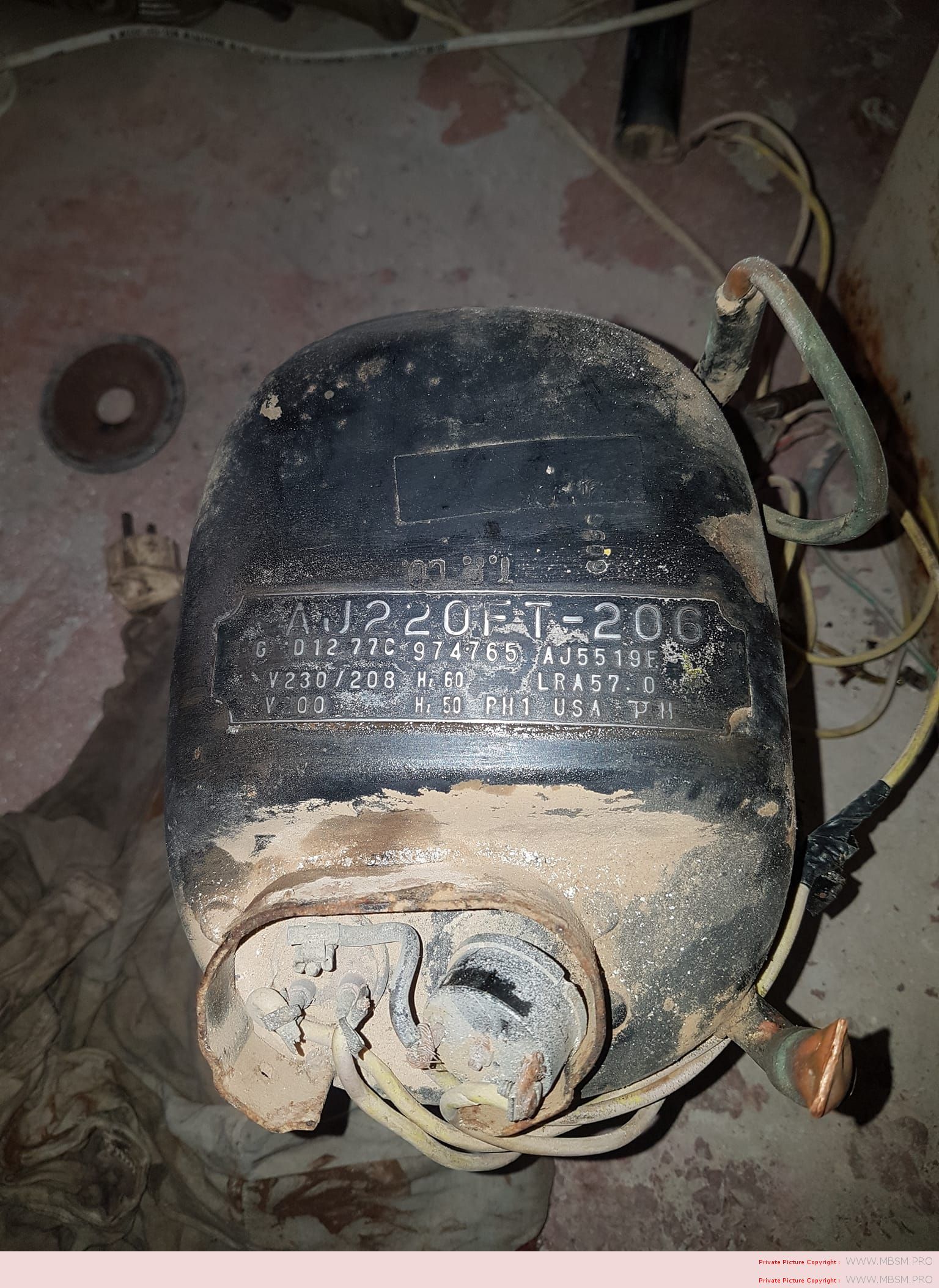
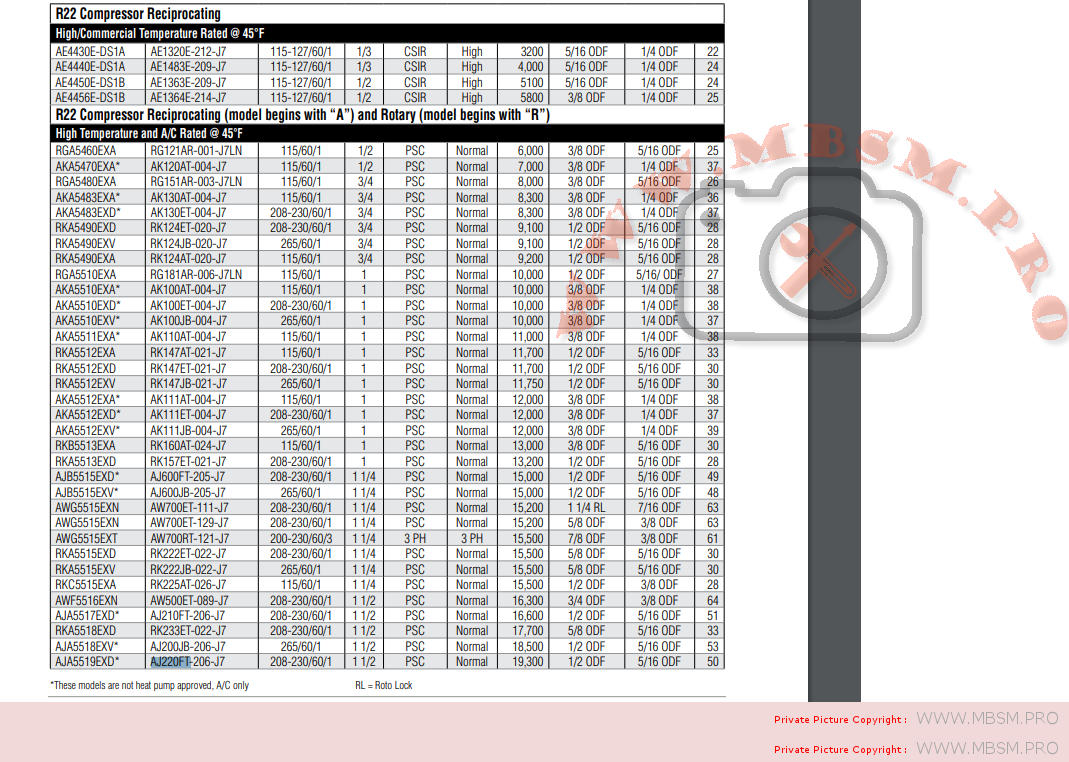
Mbsm.pro, Compressor, AJ220FT-206-J7, High Temperature, 1 1/2 hp, 1.5 hp, 19000 btu/h, r22, AJA5519EXD, TECUMSEH


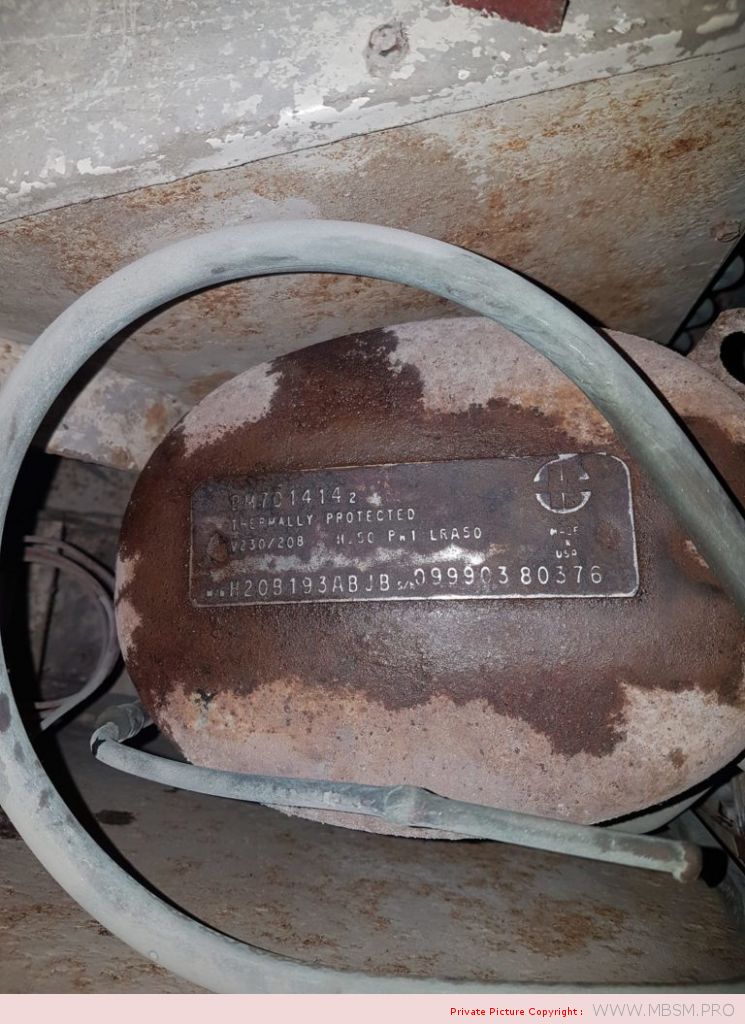
Mbsm.pro, Compressor, H20b193ABJB, bristol compressor, High Temperature, r410a, Third generation, Basic model, Benchmark, 19000 btu/h, psc, 220-240~/50hz, 1 phase,


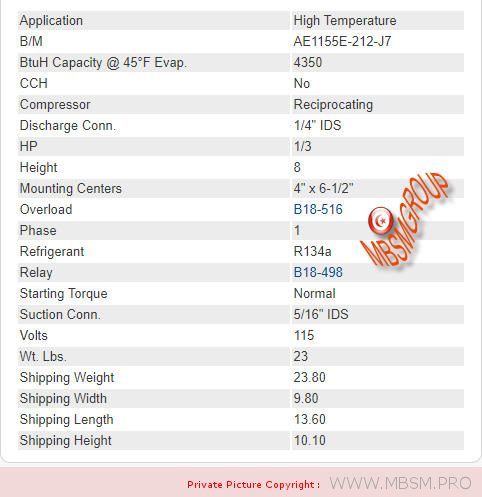
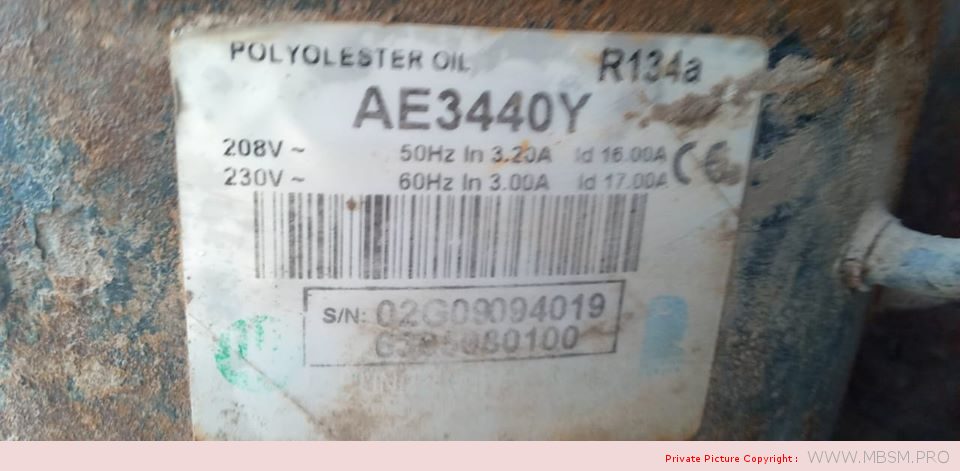
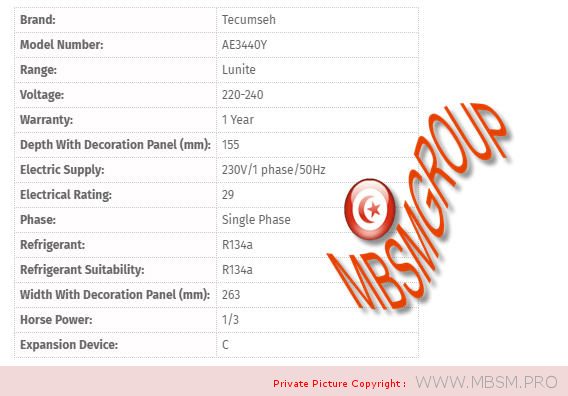
R134a, High Temperature, Hermetic, Compressor, TECUMSEH, AE1144E, HP 1/3 (lbp), AE3440Y, HP 1/3(Big+), HBP/CBP – High/Commercial Back Pressure, 1 Phase

Type: Reciprocating

Application: HBP/CBP – High/Commercial Back Pressure

Voltage/Frequency: 115V ~60Hz

Motor Torque: Low Start Torque (LST)

Compressor Cooling: Fan

Oil Type: Polyolester

Viscosity (cSt): 32

Oil Charge (cc): 280

Voltage Range (60Hz): 103-127

Locked Rotor Amps (LRA): 43

Rated Load Amps (RLA 50Hz): 0

Rated Load Amps (RLA 60Hz): 6

Max. Continuous Current (MCC in Amps): 0

Motor Resistance (Ohm) – Main: 1.64

Motor Resistance (Ohm) – Start: 4.18

Motor Type: RSIR

cURus Recognized

Refrigerant: R-134a

Product Description

Discover the advantages of Tecumseh’s broad range of energy efficient and reliable reciprocating compressors for household refrigerators and freezers, air-conditioning and commercial refrigeration applications including foodservice to walk-in coolers. What is a Reciprocating Compressor? A hermetic reciprocating compressor uses pistons driven by a crankshaft to deliver refrigerant at high pressure from the low side to the high side of a refrigeration system. Why Tecumseh Reciprocating? In 1938, Tecumseh revolutionized the refrigeration industry with the first hermetically sealed reciprocating compressor. We have provided 75+ years of industry leadership in reciprocating compressors for air conditioning and refrigeration applications. Today, we continue to lead the way by designing energy efficiency, quiet operation and reliability into every new compressor we produce

Product Features

  • High efficiency Tecumseh rotary compressors provide enhanced reliability reduced sound and maximum flexibility with vertical and horizontal installation options for air conditioning and refrigeration applications
  • Rotary hermetic compressors use the rotating action of a roller inside a cylinder to compress the refrigerant Rotaries, by design, include fewer parts than other types of compression technology and provide an alternative
  • Efficient option for various applications
  • Tecumseh installed its first HR rotary compressor in an air conditioning application in 1957 where it remained reliably in service for more than 40 years Today’s modern air conditioning and commercial refrigeration applications require high efficiency combined with the ability to utilize more eco-friendly refrigerants Tecumseh rotary compressors continue to lead the way


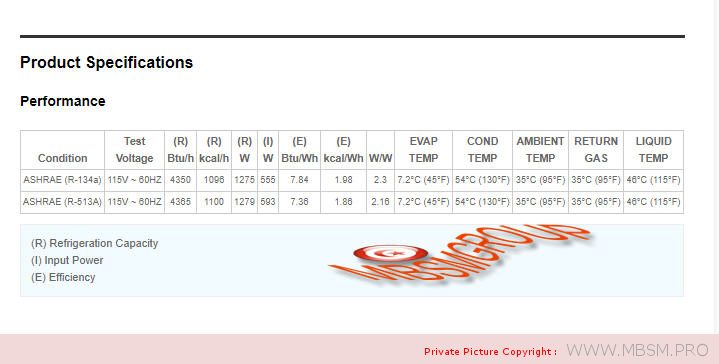
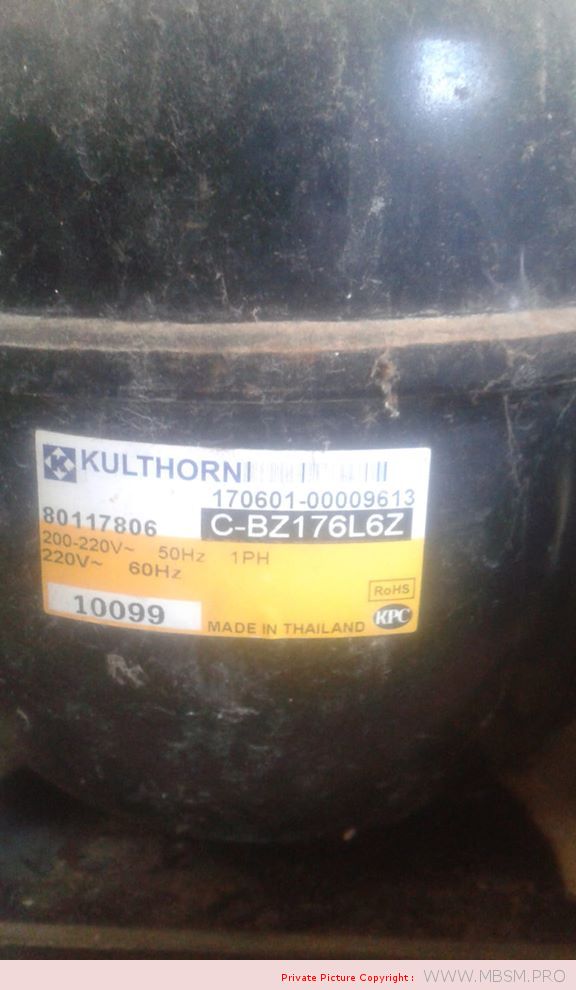
Kulthorn , R134A, High Temperature ,Compressor, C-BZ SERIE ,220-240 v 50/60Hz


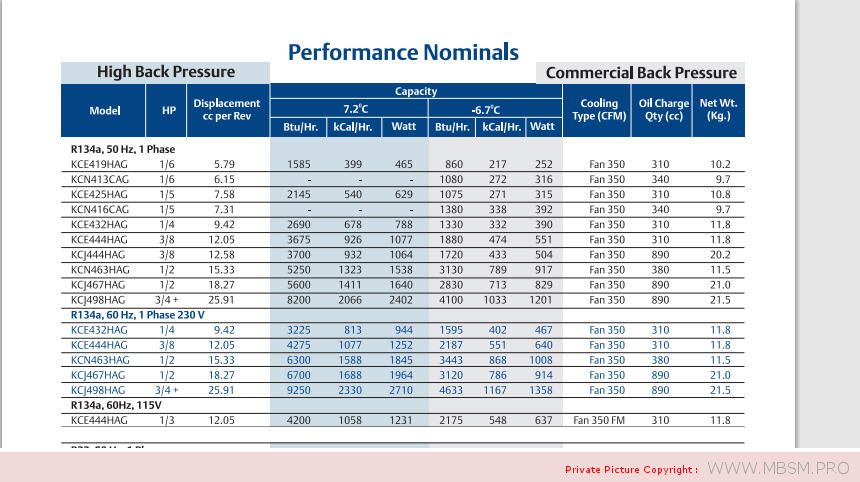
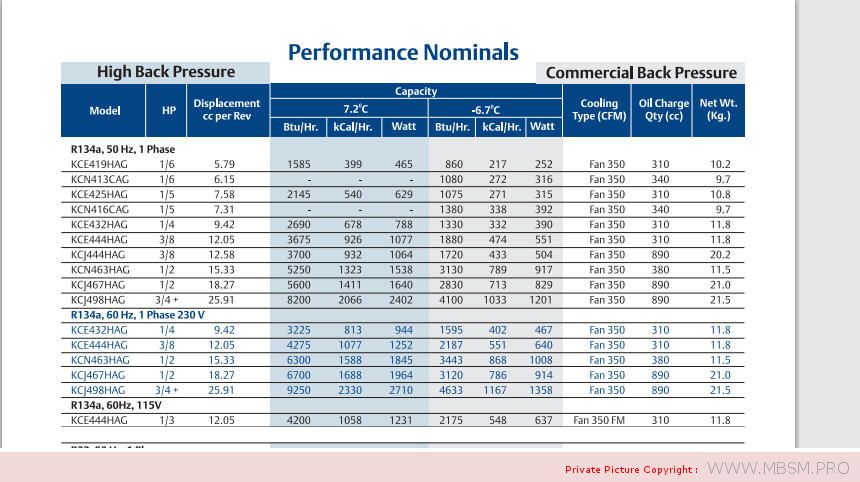
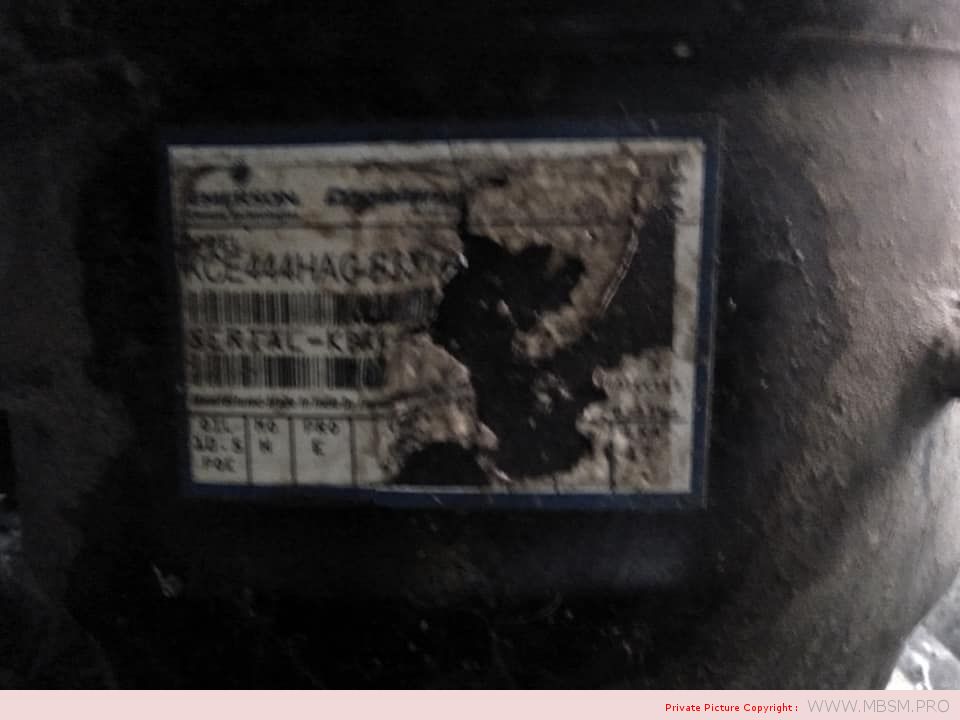
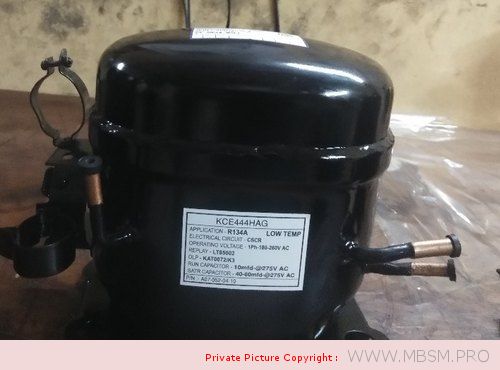
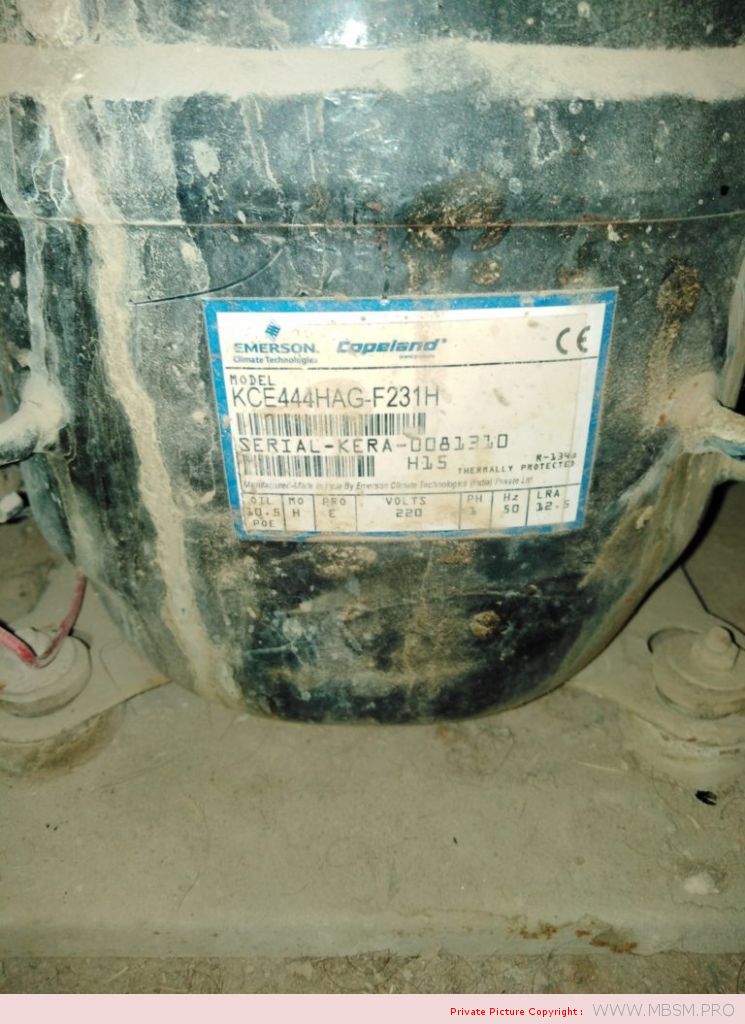
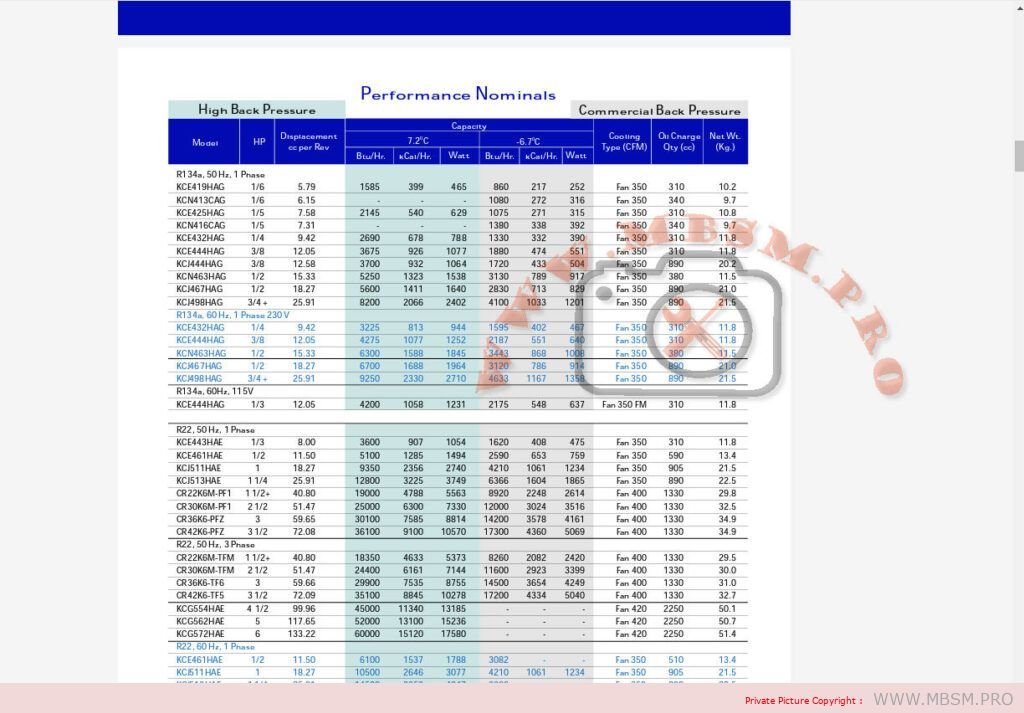
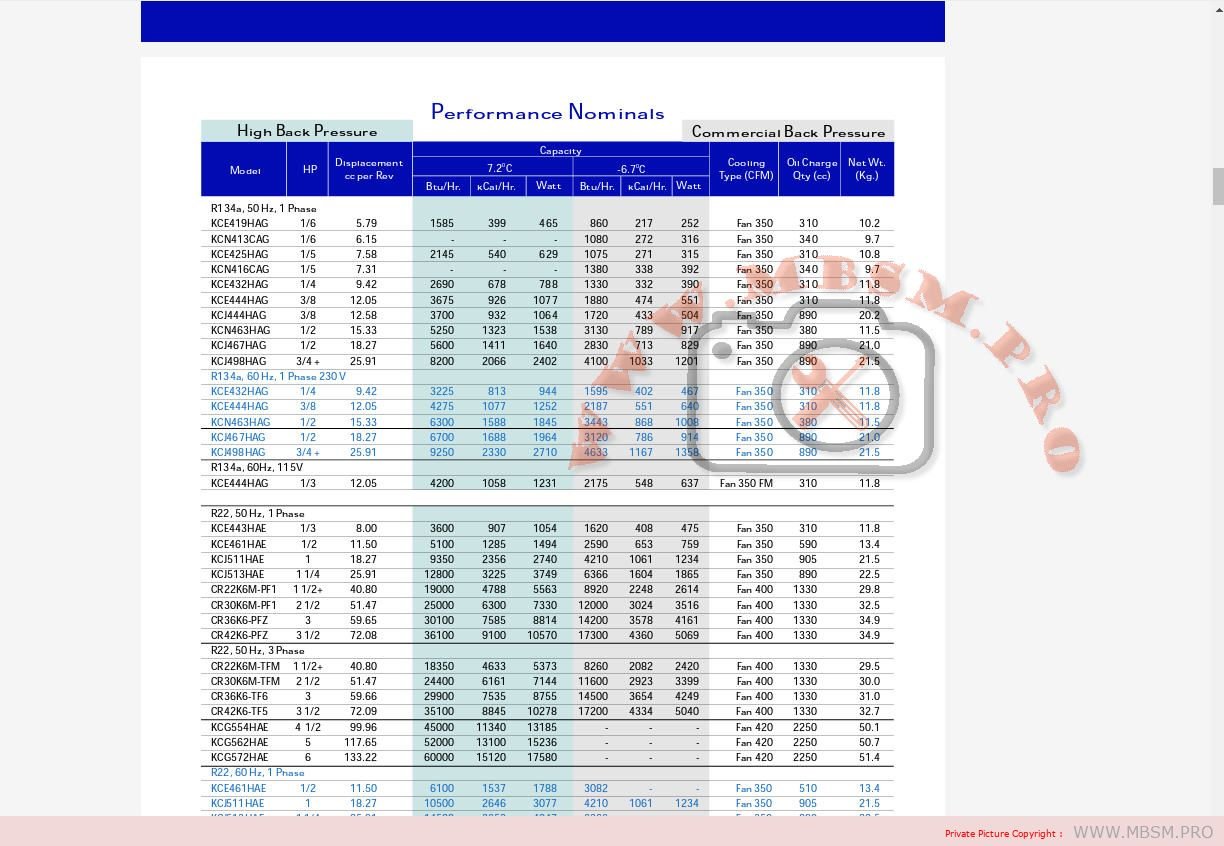
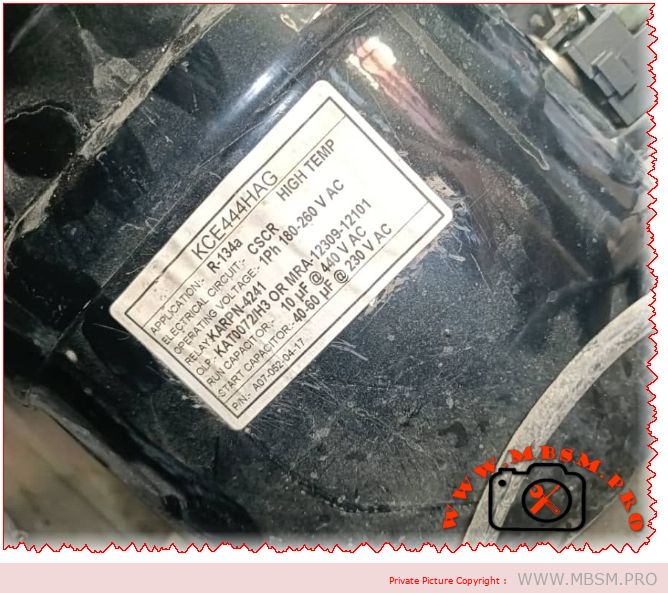
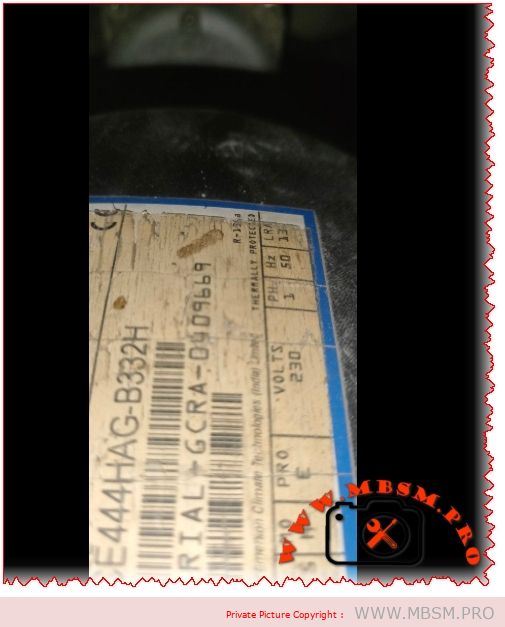
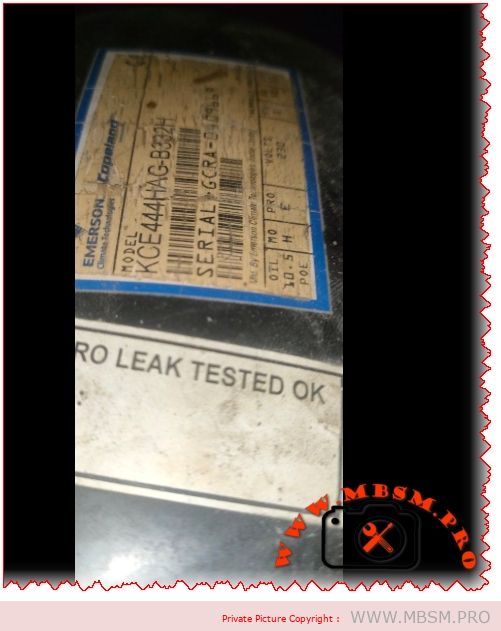
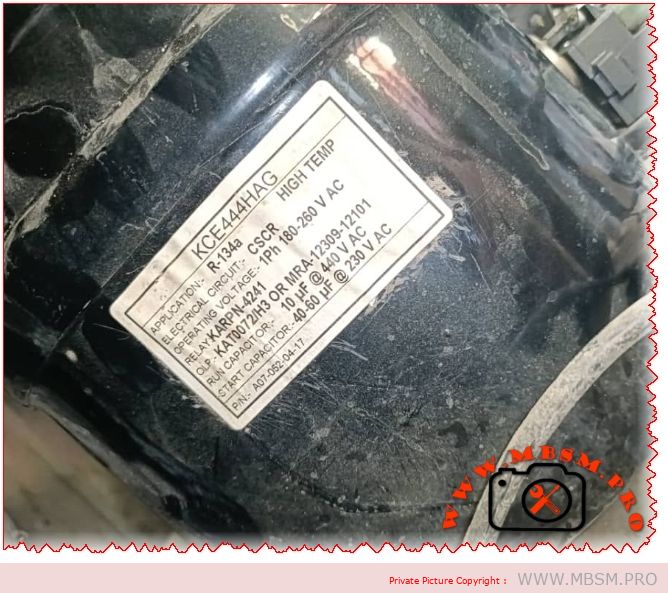
KCE444HAG , 3/8 Hp ,230V, 50Hz, 1Phase ,High / Medium temperature (HBP / CBP), R-134a

KCE419HAG, KCN425HAG, KCJ422CAL, KCJ484CAL, KCJ438CAL, KCE425HAG, KCN416HAG, KCE4322HAG, KCE444HAG, KCN463HAG, KCJ467HAG, KCJ498HAG, KCM511CAL, KCM524CLA, KCM519CAL, KCCM522CAL, KCM522CAL, KC522CAL, KC522CAL

Model Name KCE444HAG-BXXX

Compressor Type Reciprocating ,Connecting Rod Type

Application Group High / Medium temperature (HBP / CBP)

Evaporating Temperature

Range -17.8°C To 12.8°C (0° To 55°F)

Refrigerant R-134a

Rated Voltage 230V, 50Hz, 1Phase

Compressor Cooling FAN : 350 ft3 / minute

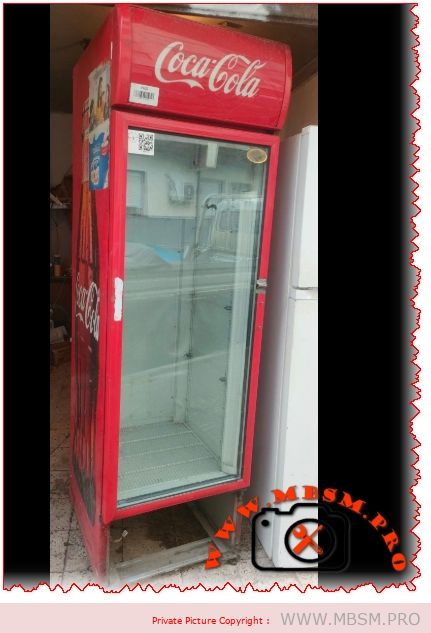
Typical Application Water Coolers / Bottle Coolers

Certifications & Approvals ISI, EN60335-2-34


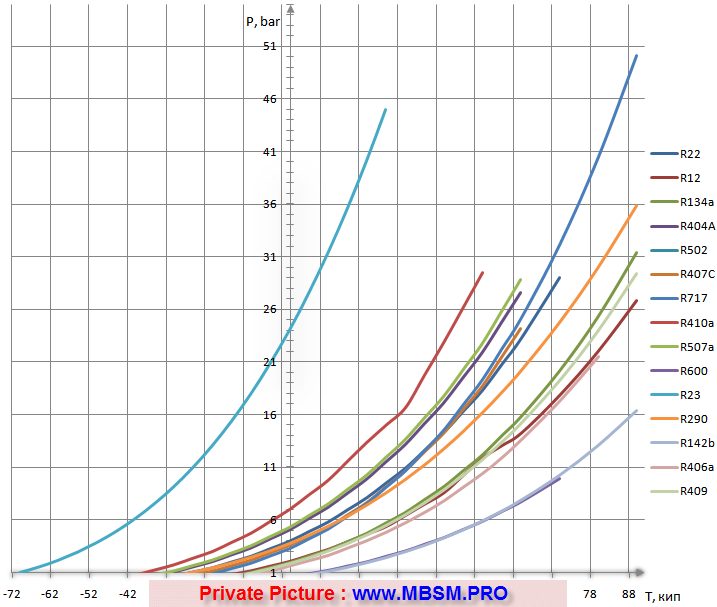
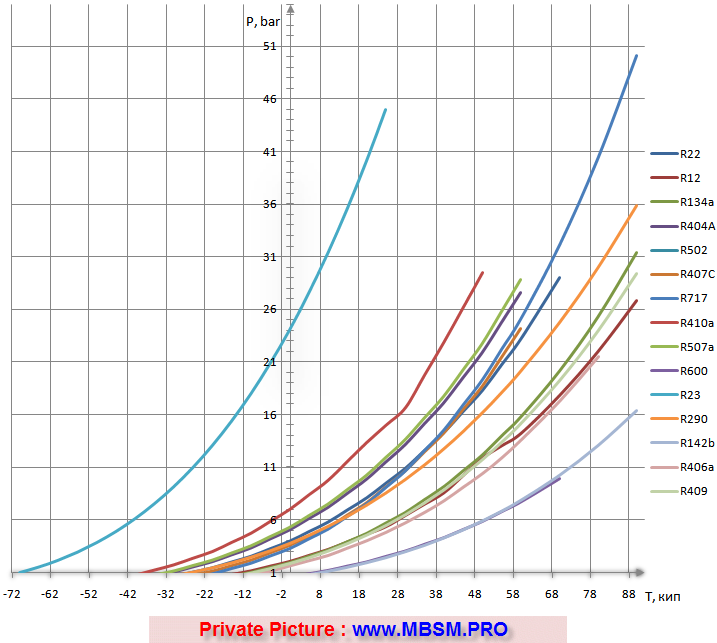
Refrigerant High &Low Pressure Temperature Chart ,R22 R410A ,R12 ,R134A ,R401A ,R409A ,R502 ,R404A ,R507A ,R408A ,R402A ,R600A

Temperature and pressure charts for

  • R22
  • R410A
  • R12
  • R134A
  • R401A
  • R409A
  • R502
  • R404A
  • R507A
  • R408A
  • R402A

Temperature, °C: 
Pressure, bar: 

R22 R134a R507 R410A R404A R404A R407C R407C
Saturated Saturated Saturated Saturated Bubble Dew Bubble Dew
°C kPa psi kPa psi kPa psi kPa psi kPa psi kPa psi kPa psi kPa psi
-40 4 0.6 -50 -7.3 37 5.4 73 10.7 34 4.9 30 4.3 19 2.7 -16 -2.3
-38 14 2 -45 -6.5 50 7.3 90 13 47 6.8 42 6.1 30 4.4 -7 -1
-36 25 3.6 -38 -5.6 64 9.3 108 15.6 60 8.7 55 8 43 6.2 3 0.5
-34 37 5.3 -32 -4.6 79 11.4 126 18.3 75 10.8 69 10.1 56 8.2 14 2
-32 49 7.1 -25 -3.6 95 13.7 147 21.2 90 13 85 12.3 71 10.2 25 3.6
-30 63 9.1 -17 -2.5 111 16.2 168 24.4 106 15.4 101 14.6 86 12.4 37 5.4
-28 77 11.1 -9 -1.3 129 18.8 191 27.7 124 18 118 17.1 102 14.8 51 7.3
-26 92 13.4 0 0 148 21.5 215 31.2 143 20.7 137 19.8 119 17.3 65 9.4
-24 108 15.7 10 1.4 169 24.5 241 35 162 23.6 156 22.6 138 20 80 11.6
-22 126 18.2 20 2.9 190 27.6 269 39 183 26.6 177 25.6 158 22.9 96 13.9
-20 144 20.9 31 4.6 213 30.9 298 43.2 206 29.8 199 28.8 179 25.9 113 16.4
-18 163 23.7 43 6.3 237 34.4 329 47.7 229 33.3 222 32.2 201 29.1 132 19.1
-16 184 26.7 56 8.1 263 38.1 362 52.4 254 36.9 247 35.8 224 32.5 152 22
-14 206 29.9 69 10.1 290 42 396 57.5 281 40.7 273 39.6 249 36.1 172 25
-12 229 33.2 84 12.2 318 46.1 433 62.8 308 44.7 300 43.6 276 40 195 28.2
-10 253 36.8 99 14.4 348 50.5 471 68.4 338 49 329 47.8 303 44 218 31.7
-8 279 40.5 116 16.8 379 55 512 74.2 369 53.5 360 52.2 333 48.3 244 35.3
-6 306 44.4 133 19.3 413 59.9 555 80.5 401 58.2 392 56.9 364 52.7 270 39.2
-4 335 48.6 151 21.9 448 64.9 600 87 435 63.1 426 61.8 396 57.5 298 43.3
-2 365 52.9 171 24.8 484 70.2 647 93.8 471 68.3 462 67 430 62.4 328 47.6
0 397 57.5 191 27.8 523 75.8 697 101.1 509 73.8 499 72.4 467 67.7 359 52.1
2 430 62.3 213 30.9 563 81.6 749 108.6 548 79.5 538 78.1 504 73.2 392 56.9
4 465 67.4 236 34.3 605 87.8 804 116.5 590 85.5 579 84 544 78.9 427 62
6 501 72.7 261 37.8 649 94.2 861 124.8 633 91.8 622 90.3 586 85 464 67.3
8 540 78.3 286 41.5 696 1.9 921 133.5 678 98.4 667 96.8 629 91.3 503 72.9
10 580 84.1 313 45.4 744 107.9 983 142.6 726 105.3 714 103.6 675 97.9 544 78.8
12 621 90.1 342 49.6 794 115.2 1049 152.2 775 112.4 764 1.8 723 104.8 586 85
14 665 96.5 372 53.9 847 122.9 1118 162.1 827 119.9 815 118.2 773 112.1 631 91.5
16 711 103.1 403 58.4 902 1.9 1189 172.5 881 127.8 869 126 825 119.7 678 98.4
18 759 1.1 436 63.2 960 139.2 1264 183.3 937 135.9 925 134.1 879 127.6 727 105.5
20 809 117.3 470 68.2 1020 147.9 1342 194.6 996 144.4 983 142.6 936 135.8 779 113
22 861 124.8 507 73.5 1082 156.9 1423 206.4 1057 153.3 1044 151.4 995 144.4 833 1.8
24 915 132.7 544 79 1147 166.3 1507 218.6 1120 162.5 1107 1.6 1057 153.3 889 129
26 971 1.8 584 84.7 1214 176.1 1595 231.4 1187 172.1 1173 1.2 1121 162.7 949 137.6
28 1030 149.3 626 90.7 1284 186.3 1687 244.7 1255 182.1 1242 1.1 1188 172.3 1010 146.5
30 1091 158.2 669 97 1357 196.9 1782 258.5 1327 192.5 1313 1.4 1258 182.4 1075 155.9
32 1154 167.4 714 103.6 1433 207.9 1881 272.9 1401 203.2 1387 201.2 1330 192.9 1142 165.6
34 1220 176.9 761 1.4 1512 219.3 1984 287.8 1479 214.4 1464 212.4 1405 203.8 1212 175.8
36 1288 186.8 810 117.6 1594 231.2 2091 303.3 1559 226.1 1544 224 1483 215.1 1285 186.3
38 1359 197.1 862 125 1679 243.5 2202 319.4 1642 238.1 1627 236 1564 226.8 1361 197.4
40 1432 207.7 915 132.7 1767 256.2 2317 336.1 1728 2.6 1713 248.5 1648 239 1440 208.9
42 1508 218.8 971 1.8 1858 269.5 2437 353.5 1818 263.6 1803 261.5 1735 251.6 1522 2.8
44 1587 2.2 1029 149.2 1953 283.2 2561 371.4 1910 277.1 1895 274.9 1825 264.7 1608 233.2
46 1669 242.1 1089 157.9 2051 297.5 2690 3.1 2006 291 1991 288.8 1918 278.2 1697 246.2
48 1754 254.4 1152 167 2153 312.2 2823 409.5 2106 305.5 2091 303.3 2015 292.2 1790 259.6
50 1841 267.1 1217 176.5 2258 327.5 2962 429.5 2209 3.4 2194 318.3 2115 306.7 1886 273.6
52 1932 2.2 1284 186.2 2367 343.3 3105 4.3 2316 335.9 2301 333.8 2218 321.7 1987 288.1
54 2026 293.8 1354 196.4 2480 359.8 3254 471.9 2427 352 2412 349.9 2325 337.2 2091 303.2
56 2123 307.9 1427 207 2598 376.8 3408 494.2 2542 368.6 2527 366.5 2436 353.3 2199 318.9
58 2223 322.4 1502 217.9 2719 394.4 3567 517.4 2660 385.9 2646 383.8 2550 369.8 2311 335.2
60 2326 337.4 1580 229.2 2845 412.7 3733 541.4 2783 403.7 2770 401.7 2668 387 2427 352.1
62 2433 352.9 1661 241 2976 431.6 3905 566.3 2911 422.2 2898 4.3 2790 404.6 2548 369.6
64 2543 368.9 1745 253.2 3112 451.3 4083 592.2 3043 441.4 3031 439.6 2916 422.9 2674 387.8
66 2657 385.4 1832 265.8 3253 471.8 4268 619 3180 461.3 3169 459.6 3045 441.7 2805 406.8
68 2775 402.4 1922 278.8 3400 493.1 4460 646.9 3323 482 3312 4.4 3179 461.1 2940 426.4
70 2896 420 2015 292.3 3554 515.5 4660 675.9 3471 503.4 3463 502.2 3318 481.2 3081 446.9
72 3021 438.2 2112 306.3 3625 525.8 3622 525.4 3460 501.8 3228 468.1
74 3150 456.9 2212 3.8 3607 523.1 3380 4.2
76 3283 476.2 2315 335.7 3758 545 3539 513.3
78 3421 496.1 2422 351.2 3913 567.5 3705 537.4
80 3562 516.7 2532 367.2 4072 5.7 3879 562.7


  t °C  R22 R12 R134 R404a R502 R407c R717 R410a R507a R600 R23 R290 R142b R406a R409A
-70 -0,81 -0,88 -0,92 -0,74 -0,72 -0,89 -0,65 -0,72 0,94
-65 -0,74 -0,83 -0,88 -0,63 -0,62 -0,84 -0,51 -0,61 1,48 -0,94
-60 -0,63 -0,77 -0,84 -0,52 -0,51 -0,74 -0,78 -0,36 -0,50 2,12 -0,9
-55 -0,49 -0,69 -0,77 -0,35 -0,35 -0,63 -0,69 -0,22 -0,32 2,89 -0,83
-50 -0,35 -0,61 -0,70 -0,18 -0,19 -0,52 -0,59 0,08 -0,14 3,8 -0,8
-45 -0,2 -0,49 -0,59 -0,11 -0,14 -0,34 -0,44 0,25 -0,02 4,86 -0,66
-40 0,05 -0,36 -0,48 0,32 0,30 -0,16 -0,28 0,73 0,39 -0,71 6,09 0,12 -0,62
-35 0,25 -0,18 -0,32 0,68 0,64 -0,06 -0,24 1,22 0,77 -0,62 7,51 0,37 -0,4
-30 0,64 0,00 -0,15 1,04 0,98 0,37 0,19 1,71 1,15 -0,53 9,12 0,68 -0,2
-25 1,05 0,26 -0,06 1,53 1,45 0,75 0,55 2,35 1,67 -0,38 10,96 1,03 -0,1 0,06
-20 1,46 0,51 0,33 2,02 1,91 1,12 0,90 2,98 2,18 -0,27 13,04 1,44 0,2 0,32
-15 2,01 0,85 0,67 2,67 2,53 1,64 1,41 3,85 2,86 -0,18 15,37 1,91 0,4 0,62
-10 2,55 1,19 1,01 3,32 3,14 2,16 1,91 4,72 3,54 0,09 17,96 2,45 0 0,8 0,98
-5 3,27 1,64 1,47 4,18 3,94 2,87 2,6 5,85 4,42 0,33 20,85 3,06 0,22 1,1 1,4
0 3,98 2,08 1,93 5,03 4,73 3,57 3,29 6,98 5,29 0,57 24 3,75 0,47 1,6 1,88
5 4,89 2,66 2,54 6,11 5,73 4,43 4,22 8,37 6,40 0,89 27,54 4,52 0,75 2,1 2,43
10 5,80 3,23 3,14 7,18 6,73 5,28 5,15 9,76 7,51 1,21 31,37 5,38 1,08 2,6 3,07
15 6,95 3,95 3,93 8,52 7,97 6,46 6,36 11,56 8,88 1,62 35,56 6,33 1,46 3,3 3,78
20 8,10 4,67 4,72 9,86 9,20 7,63 7,57 13,35 10,25 2,02 40,11 7,39 1,9 4,0 4,59
25 9,5 5,39 5,71 11,5 10,70 9,14 9,12 15,00 11,94 2,54 45,03 8,55 2,38 4,8 5,5
30 10,90 6,45 6,70 13,14 12,19 10,65 10,67 16,65 13,63 3,05 9,82 2,94 5,7 6,51
35 12,60 7,53 7,93 15,13 13,98 12,45 12,61 19,78 15,69 3,69 11,21 3,55 6,7 7,64
40 14,30 8,60 9,16 17,11 15,77 14,25 14,55 22,90 17,74 4,32 12,73 4,25 7,8 8,88
45 16,3 10,25 10,67 19,51 17,89 16,48 16,94 26,2 20,25 5,09 14,38 5,02 9,1 10,26
50 18,30 11,90 12,18 21,90 20,01 18,70 19,33 29,50 22,75 5,86 16,16 5,87 10,4 11,76
55 20,75 13,08 14,00 24,76 22,51 21,45 22,24 25,80 6,79 18,08 6,81 11,9 13,41
60 23,20 14,25 15,81 27,62 25,01 24,20 25,14 28,85 7,72 20,14 7,85 13,6 15,2
70 29,00 17,85 20,16 30,92 32,12 9,91 24,72 10,23 17,3 19,26
80 22,04 25,32 40,40 29,94 13,07 21,5 23,99
90 26,88 31,43 50,14 35,82 16,4 29,43


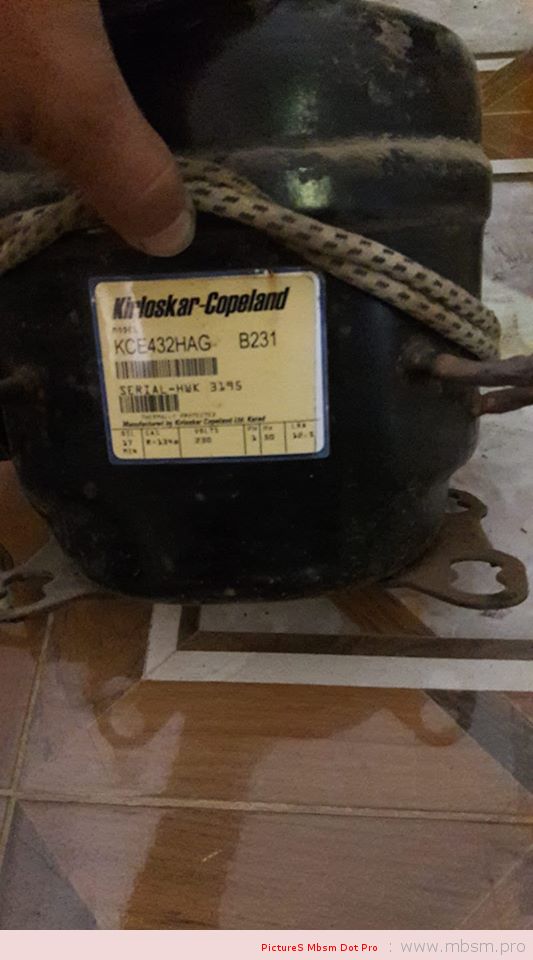
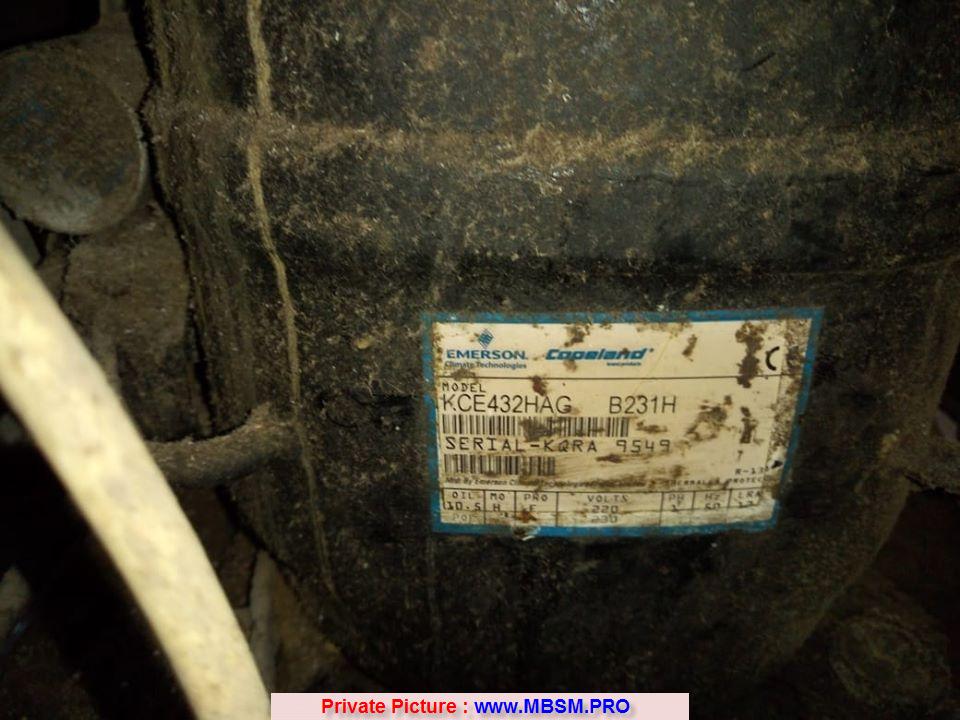
MBSM.PRO ,Copeland ,KCE432HAG ,Compresseur Hermétique, 1/4HP, R134, 1ph , Afcon Industrial Equipment,High / Medium temperature (HBP / CBP)

MBSM.PRO ,Copeland ,KCE432HAG ,Compresseur Hermétique, 1/4HP, R134, 1ph , Afcon Industrial Equipment

Copeland KCE432HAG Compresseur Hermétique


Mbsm.pro, Copeland Compressor RS80C1E-CAZ-252, 1 HP, R134a Refrigerant, 220-240V Single Phase 50Hz, RSIR Motor, LBP Low Temperature Freezing Application, Hermetic Reciprocating Technology

The Copeland RS80C1E-CAZ-252 represents a specialized hermetic reciprocating compressor engineered for low-temperature refrigeration applications where reliability meets efficiency. This single-phase unit operates on R134a refrigerant and delivers consistent performance in demanding freezing environments ranging from -30°C to -10°C evaporating temperatures.

Technical Overview and Application Domain

The RS80C1E-CAZ-252 belongs to Copeland’s proven RS series of hermetic reciprocating compressors, designed specifically for commercial refrigeration applications requiring low back pressure operation. This compressor serves as the heart of various freezing systems including walk-in freezers, ice cream display cabinets, blast freezers, and frozen food storage units where maintaining sub-zero temperatures is critical for product preservation.

Operating at 220-240V single-phase 50Hz power supply, this unit draws approximately 5 amperes during normal operation, making it suitable for standard commercial electrical systems. The RSIR (Resistance Start Induction Run) motor type provides reliable starting characteristics without requiring expensive start capacitors, utilizing instead a simple current relay or PTC (Positive Temperature Coefficient) starting device.

Core Performance Characteristics

This 1 horsepower compressor generates approximately 8,000 BTU/hr cooling capacity when operating at standard LBP (Low Back Pressure) conditions. The displacement volume typically measures around 10.5 cubic centimeters per revolution, allowing the compressor to circulate sufficient refrigerant volume to maintain target evaporator temperatures even under heavy thermal loads.

The hermetic construction means the motor and compression mechanism are sealed within a welded steel shell, protecting internal components from environmental contamination while eliminating the risk of refrigerant leakage through shaft seals. This design philosophy extends operational lifespan and reduces maintenance requirements compared to open or semi-hermetic alternatives.

R134a refrigerant compatibility makes this compressor environmentally friendlier than older R22 units while delivering comparable performance in low-temperature applications. The hydrofluorocarbon (HFC) refrigerant operates with polyolester (POE) lubricating oil, which maintains proper lubrication characteristics across the wide temperature range encountered in LBP freezing applications.

Motor Design and Electrical Configuration

The RSIR motor configuration employs both main (run) and auxiliary (start) windings within the stator assembly. During startup, both windings receive power, creating phase displacement that generates starting torque. Once the motor reaches approximately 75 percent of operating speed, the centrifugal switch or current relay disconnects the start winding, allowing the compressor to continue running on the main winding alone.

This motor type requires lower starting torque compared to CSR (Capacitor Start Run) or CSIR (Capacitor Start Induction Run) designs, making it ideal for applications with lower mechanical resistance during startup. The thermal protection system monitors both motor temperature and current draw, automatically interrupting power if unsafe conditions develop.

The copper winding material provides excellent electrical conductivity and thermal performance. Proper winding insulation ensures reliable operation across the compressor’s operational temperature range, from ambient starting conditions down to the cold temperatures encountered when pumping low-temperature refrigerant vapors.

Refrigeration System Integration

When integrated into complete refrigeration systems, the RS80C1E-CAZ-252 typically connects to evaporator coils operating between -30°C and -10°C saturated suction temperature. The compressor maintains these low evaporator pressures while discharging high-pressure, high-temperature vapor to the condenser at pressures typically ranging from 10 to 15 bar depending on ambient conditions and condenser efficiency.

Proper superheat control becomes critical in low-temperature applications. Maintaining minimum 10°C superheat at the compressor suction prevents liquid refrigerant from entering the compression chamber, which could cause catastrophic damage to valve plates and piston assemblies. Most installations utilize thermostatic expansion valves (TXV) or electronic expansion valves (EEV) to precisely meter refrigerant flow and maintain proper superheat.

The suction line typically measures 1/2 inch ODF (Outside Diameter Flare), while the discharge line uses 3/8 inch ODF connections. Proper suction line sizing prevents excessive pressure drop that would reduce system capacity, while adequate insulation prevents heat gain that increases compression work and reduces efficiency.

Oil Management and Lubrication

The RS80C1E-CAZ-252 ships from the factory charged with approximately 400-450 milliliters of polyolester lubricating oil. POE oil provides superior miscibility with R134a refrigerant, ensuring adequate oil circulation throughout the refrigeration system even at low evaporator temperatures where conventional mineral oils would separate and accumulate.

In low-temperature applications, proper oil return becomes paramount. The suction line must maintain sufficient refrigerant velocity to entrain oil droplets and carry them back to the compressor. Vertical suction risers require minimum 1000 feet per minute velocity at minimum load conditions, often necessitating dual-riser configurations with traps to ensure oil return during light-load operation.

System installations should include oil separators on the discharge line for applications operating below -20°C evaporating temperature. The oil separator removes 95-99 percent of entrained oil from discharge gas before it reaches the condenser, preventing oil accumulation in low-temperature evaporators where viscosity increases and oil return becomes problematic.

Installation Best Practices

Mounting the compressor requires rigid support capable of handling vibration loads during operation. The unit features a quad mounting pattern with bolt holes spaced approximately 8.0 inches by 4.8 inches, standard for this compressor frame size. Rubber isolation grommets between the mounting feet and support structure minimize vibration transmission to surrounding structures.

Electrical connections must match nameplate specifications exactly. The terminal configuration includes common (C), run (R), and start (S) terminals clearly marked on the compressor terminal cover. Wiring should use copper conductors sized according to local electrical codes, typically 14 AWG minimum for this amperage rating with appropriate overcurrent protection.

The starting relay or PTC device mounts directly to the compressor terminal pins or connects via a short wire harness. Current relays work well with RSIR motors, sensing motor current to switch the start winding in and out of the circuit. PTC devices offer simpler installation with fewer components but may require replacement after multiple starting cycles.

Refrigerant Charging Procedures

Initial system evacuation must reach 500 microns or lower before refrigerant charging begins. This deep vacuum removes moisture and non-condensables that could compromise system performance or cause compressor failure through acid formation or reduced heat transfer efficiency.

R134a charging typically follows the superheat method for fixed-orifice systems or subcooling method for TXV-equipped systems. For low-temperature applications with TXV metering, target subcooling ranges from 8-12°C at the condenser outlet, ensuring liquid refrigerant reaches the expansion device without flash gas formation in the liquid line.

Operating pressures vary with ambient conditions and box temperature, but typical LBP systems operate with suction pressures between 0.5-2.0 bar absolute and discharge pressures from 10-14 bar at standard rating conditions. Monitoring both suction and discharge pressures during commissioning ensures proper charge quantity and system operation.

Performance Optimization

Maximizing compressor efficiency requires attention to several system parameters. Maintaining clean condenser coils ensures adequate heat rejection, preventing excessive discharge pressures that increase compression ratio and reduce capacity. Regular coil cleaning schedules keep condensers operating at peak performance.

Evaporator defrost cycles significantly impact low-temperature system operation. Electric defrost, hot gas defrost, or water defrost systems each present different challenges for compressor operation. Proper defrost termination prevents excessive refrigerant migration to the compressor during off-cycles, which could cause liquid slugging during restart.

Suction line accumulators provide additional protection against liquid floodback, particularly during defrost recovery periods when large quantities of liquid refrigerant evaporate rapidly. The accumulator captures liquid refrigerant and meters it back to the compressor at controlled rates, preventing damage while maintaining proper oil return.

Diagnostic Procedures

Monitoring amperage draw provides valuable diagnostic information. Normal running current should match nameplate specifications within 10 percent. Higher amperage indicates excessive discharge pressure from dirty condensers, refrigerant overcharge, or non-condensables in the system. Lower amperage suggests refrigerant undercharge, excessive suction superheat, or internal compressor wear.

Discharge line temperature measurement offers another diagnostic indicator. Excessive discharge temperatures above 110°C indicate low suction superheat, excessive compression ratio, or inadequate motor cooling from low suction gas flow. Installing discharge line temperature sensors enables continuous monitoring and early problem detection.

Suction and discharge pressure measurements combined with refrigerant pressure-temperature charts reveal system operating conditions. Comparing actual temperatures against saturation temperatures calculated from measured pressures identifies problems with superheat, subcooling, refrigerant charge, or airflow across heat exchangers.

Maintenance Requirements

Hermetic compressors require minimal routine maintenance compared to semi-hermetic or open designs. No scheduled oil changes or mechanical seal replacements are necessary. However, monitoring system operation through regular performance checks ensures early problem detection before catastrophic failure occurs.

Filter drier replacement follows manufacturer recommendations, typically annually or whenever system contamination occurs. Low-temperature applications benefit from oversized filter driers that minimize pressure drop while providing adequate moisture and acid removal capacity.

Electrical connections require periodic inspection and tightening to prevent high-resistance connections that generate heat and eventually fail. Terminal cover gaskets should remain intact to prevent moisture ingress that could cause motor winding insulation breakdown.

Troubleshooting Common Issues

Compressor short cycling often results from low refrigerant charge, dirty evaporator coils restricting airflow, or improperly sized thermal overload protection. Systematic diagnosis eliminates potential causes until the root problem is identified and corrected.

Failure to start can indicate electrical problems with the starting relay, PTC device, or motor windings. Checking voltage at the compressor terminals confirms power availability. Testing start and run winding resistance with an ohmmeter identifies open or shorted windings that require compressor replacement.

Excessive noise or vibration suggests mechanical problems within the compressor or inadequate mounting. Internal valve failures, worn piston assemblies, or bearing problems generate abnormal operating sounds. Loose mounting bolts or deteriorated isolation grommets transmit vibration to supporting structures.

Replacement and Cross-Reference Options

When replacement becomes necessary, several equivalent compressor models offer similar performance characteristics. Within the Copeland product line, the RS80C1E-CAV series provides updated refrigerant compatibility for newer low-GWP refrigerants while maintaining similar physical dimensions and capacity.

Environmental Considerations

R134a refrigerant, while significantly better than older CFC and HCFC refrigerants, still carries a global warming potential of 1430. Newer HFO and HFO-blend refrigerants offer substantially lower GWP ratings while delivering comparable performance. Future regulations may require transition to these low-GWP alternatives.

Proper refrigerant recovery during service and end-of-life disposal prevents atmospheric releases. Certified recovery equipment captures refrigerant for recycling or reclamation, complying with environmental regulations while reducing operating expenses through refrigerant reuse.

Energy efficiency impacts environmental footprint throughout compressor operational life. Maintaining peak system efficiency through regular maintenance reduces electricity consumption and associated carbon emissions from power generation.

Safety Considerations

High-pressure refrigeration systems present several safety hazards. Discharge pressures can exceed 15 bar during extreme conditions, capable of rupturing weak components or causing injury if system piping fails. Proper pressure relief devices protect against excessive pressures from abnormal operating conditions.

Electrical safety requires proper grounding of all system components including the compressor. Ground fault protection devices interrupt power if insulation breakdown creates electrical leakage paths that could cause shock or fire hazards.

Refrigerant safety depends on proper handling procedures. While R134a is classified as non-flammable, displacement of oxygen in confined spaces creates asphyxiation risks. Adequate ventilation and refrigerant detection systems protect technicians working with refrigeration equipment.

Advanced System Integration

Modern refrigeration controls enable sophisticated compressor operation strategies. Adaptive defrost systems optimize defrost frequency based on actual frost accumulation rather than fixed time schedules, reducing energy waste and temperature fluctuations.

Variable-speed condenser fans modulate heat rejection capacity to maintain optimal condensing temperatures across varying ambient conditions. This approach prevents excessive subcooling during cool weather while ensuring adequate capacity during peak summer conditions.

Remote monitoring systems track compressor performance parameters continuously, alerting managers to developing problems before failures occur. Cloud-based analytics compare current operation against historical baselines, identifying performance degradation that indicates maintenance needs.

Economic Analysis

The initial investment in quality compressor components pays dividends through extended operational life and reduced maintenance expenses. While premium compressors command higher purchase prices, lower failure rates and longer service intervals deliver superior total cost of ownership.

Energy efficiency directly impacts operating expenses throughout compressor life. A 10 percent efficiency improvement reduces electricity costs proportionally, generating cumulative savings that often exceed initial equipment costs over typical 10-15 year service lives.

Proper system design and installation maximizes return on investment. Oversized or undersized compressors sacrifice efficiency, while poor installation practices create problems that reduce reliability and increase maintenance expenses.


Complete Technical Specifications Table

Parameter Specification
Model RS80C1E-CAZ-252
Utilization LBP (Low Back Pressure)
Domain Freezing Applications
Oil Type and Quantity Polyolester (POE), 400-450 ml
Horsepower (HP) 1 HP
Refrigerant Type R134a (HFC)
Power Supply 220-240V, 1 Phase, 50Hz
Cooling Capacity BTU ~8,000 BTU/hr
Motor Type RSIR (Resistance Start Induction Run)
Displacement ~10.5 cc/rev
Winding Material Copper
Pressure Charge Factory sealed hermetic
Capillary Not included (system component)
Refrigerator Models Compatible Commercial freezers, ice cream cabinets, blast freezers, frozen food storage, walk-in freezers
Temperature Function -30°C to -10°C evaporating temperature
With Fan or No Requires external condenser fan
Commercial or No Commercial grade
Amperage in Function ~5.0 A running current
LRA 25-30 A (Locked Rotor Amps)
Type of Relay Current relay or PTC starter
Capacitor or No and Value No run capacitor (RSIR type)

Compressor Replacement Options – Same Refrigerant (R134a)

Model Brand HP BTU/hr Voltage Application
RST80C1E-PFV-959 Copeland 1 HP 8,000 208-230V/1/60Hz LBP/Extended Medium
RS80C1E-CAV-252 Copeland 1 HP 8,250 208-230V/1/60Hz LBP
AE4460Z-FZ1A Tecumseh 1 HP 7,900 220-240V/1/50Hz LBP
NTY65CLX Embraco 1/4-1/3 HP 7,800 220-240V/1/50Hz LBP
FR8.5G Danfoss 1 HP 8,100 220-240V/1/50Hz LBP

Compressor Replacement Options – Alternative Refrigerants

Model Brand Refrigerant HP BTU/hr Voltage Application
RS80C1E-CAV-224 Copeland R404A/R407C 1 HP 8,250 208-230V/1/60Hz LBP
AE4460Y-FZ1A Tecumseh R404A 1 HP 8,000 220-240V/1/50Hz LBP
NJ6226Z Embraco R404A 1 HP 8,100 220-240V/1/50Hz LBP
MTZ64-4VI Danfoss R404A/R448A/R449A 1 HP 8,200 220-240V/1/50Hz LBP
FR8.5CL Danfoss R407C 1 HP 7,950 220-240V/1/50Hz LBP

Comparative Performance Analysis

Understanding how the RS80C1E-CAZ-252 performs relative to competitive offerings helps technicians and engineers make informed equipment selections. The comparison table below highlights key performance differences:

Feature Copeland RS80 Tecumseh AE4460Z Embraco NTY65 Danfoss FR8.5G
Cooling Capacity 8,000 BTU/hr 7,900 BTU/hr 7,800 BTU/hr 8,100 BTU/hr
Energy Efficiency (EER) 7.8 7.6 7.5 8.0
Noise Level 52 dB(A) 54 dB(A) 53 dB(A) 51 dB(A)
Weight 18 kg 17.5 kg 16 kg 18.5 kg
Mounting Pattern 8.0″ x 4.8″ 8.0″ x 5.0″ 7.5″ x 4.5″ 8.0″ x 4.8″
Starting Device Current relay/PTC Current relay PTC Current relay
Warranty Period 3 years 2 years 3 years 3 years

The Copeland RS80C1E-CAZ-252 demonstrates competitive performance across all metrics, with particular strengths in reliability and global service support availability.


System Design Considerations

Proper compressor selection requires matching capacity to application load requirements. Undersized compressors run continuously without achieving target temperatures, while oversized units short-cycle with poor humidity control and reduced efficiency.

Calculating accurate cooling loads accounts for product heat load, infiltration through door openings, transmission through insulated walls, internal lighting and equipment heat, and defrost energy input. Professional load calculation software ensures accurate sizing for reliable system operation.

Condensing unit location affects performance significantly. Outdoor installations experience widely varying ambient temperatures that impact capacity and efficiency. Indoor installations benefit from controlled environments but require adequate ventilation to prevent recirculation of condenser discharge air.


Energy Efficiency Optimization

Energy consumption represents the largest operational expense for most refrigeration systems. Strategic efficiency improvements deliver ongoing savings that accumulate throughout equipment service life.

Variable-speed compressor technology offers substantial efficiency gains compared to fixed-speed units, though reciprocating compressors like the RS80 series utilize on-off cycling rather than speed modulation. Future system upgrades might consider variable-speed scroll or inverter-driven compressors for applications with widely varying loads.

Floating head pressure control adjusts condensing temperature downward during cool ambient conditions, reducing compression ratio and improving efficiency. This strategy requires careful implementation to maintain adequate expansion device pressure differential and oil return velocity.

Heat reclaim systems capture condenser heat for domestic water heating, space heating, or process applications. Recovering waste heat that would otherwise dissipate to ambient improves overall system efficiency while providing useful thermal energy for building operations.


Technological Advancement Trends

Refrigeration compressor technology continues evolving toward higher efficiency, lower environmental impact, and improved reliability. Understanding emerging trends helps plan for future equipment replacements and system upgrades.

Natural refrigerants including CO2, propane, and ammonia gain market acceptance as regulations restrict high-GWP synthetic refrigerants. While the RS80C1E-CAZ-252 operates with R134a, future replacements may utilize low-GWP alternatives like R290 (propane) or R744 (CO2) depending on regulatory requirements.

Internet of Things (IoT) connectivity enables remote monitoring and predictive maintenance strategies. Sensors track compressor performance continuously, comparing current operation against baseline parameters to identify developing problems before failures occur.

Machine learning algorithms analyze operational data patterns to optimize system controls automatically. Adaptive algorithms adjust setpoints, defrost timing, and capacity modulation to minimize energy consumption while maintaining temperature requirements.


Professional Installation Guidelines

Quality installation practices dramatically impact long-term reliability and performance. Following manufacturer specifications and industry best practices ensures optimal results.

Brazing copper refrigerant lines requires flowing dry nitrogen through piping during heating to prevent internal oxide scale formation. Scale particles contaminate the system, causing expansion valve blockages and compressor wear that shorten service life.

Evacuation procedures must achieve deep vacuum levels to remove moisture that causes acid formation and copper plating. Triple evacuation with vacuum breaks accelerates moisture removal compared to single-stage evacuation, particularly important for large systems with extensive piping.

Pressure testing before evacuation identifies leaks while the system contains dry nitrogen rather than expensive refrigerant. Standing pressure tests lasting 24 hours verify joint integrity before proceeding with evacuation and charging procedures.


Professional Recommendations

Field experience with the Copeland RS series demonstrates these compressors deliver reliable performance when properly applied and maintained. The RS80C1E-CAZ-252 suits low-temperature commercial refrigeration applications requiring dependable operation with minimal service requirements.

Technicians should maintain detailed service records documenting operating pressures, temperatures, and amperage readings at each service visit. Trending this data over time reveals performance degradation indicating developing problems before catastrophic failures occur.

Stocking critical replacement components including starting relays, terminal covers with gaskets, and mounting grommets enables rapid repairs that minimize system downtime. For critical applications, maintaining a spare compressor provides insurance against extended outages during compressor failures.

Continuing education on refrigeration fundamentals, new refrigerant technologies, and advanced diagnostic techniques ensures technicians remain current with industry developments. Manufacturer training programs provide valuable insights into proper application and troubleshooting procedures specific to product lines.


Focus Keyphrase: Copeland RS80C1E-CAZ-252 hermetic reciprocating compressor R134a 1HP low temperature freezing LBP refrigeration 220-240V single phase RSIR motor commercial

SEO Title: Copeland RS80C1E-CAZ-252: 1HP R134a Compressor for Commercial Freezing | Complete Technical Guide
Meta Description: Comprehensive technical guide to Copeland RS80C1E-CAZ-252 hermetic reciprocating compressor. 1HP, R134a refrigerant, LBP freezing applications -30°C to -10°C. Installation, maintenance, replacement options.

Slug: copeland-rs80c1e-caz-252-compressor-technical-guide

Tags: Copeland compressor, RS80C1E-CAZ-252, R134a refrigerant, hermetic reciprocating compressor, LBP compressor, low temperature freezing, commercial refrigeration, 1 HP compressor, RSIR motor, Mbsmgroup, Mbsm.pro, mbsmpro.com, mbsm, RST80C1E-PFV-959, RS80C1E-CAV-252, AE4460Z-FZ1A, NTY65CLX, FR8.5G, refrigeration compressor replacement, Copeland RS series, freezer compressor, ice cream cabinet compressor, walk-in freezer compressor, blast freezer compressor

Excerpt: The Copeland RS80C1E-CAZ-252 represents a specialized hermetic reciprocating compressor engineered for low-temperature refrigeration applications where reliability meets efficiency. This single-phase unit operates on R134a refrigerant and delivers consistent performance in demanding freezing environments ranging from -30°C to -10°C evaporating temperatures. Operating at 220-240V single-phase 50Hz power supply, this unit draws approximately 5 amperes during normal operation, making it suitable for standard commercial electrical systems.