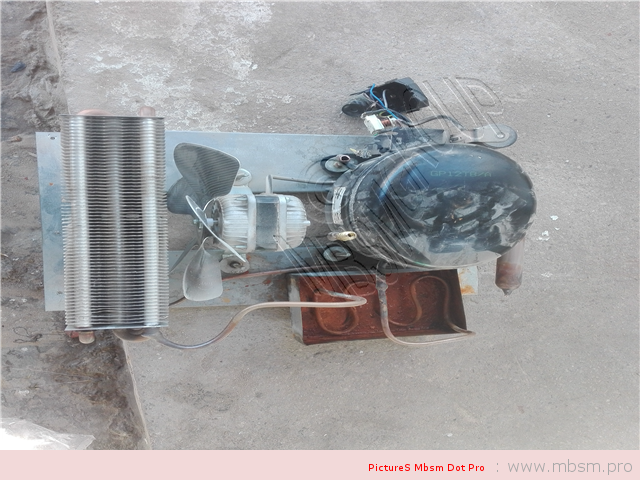
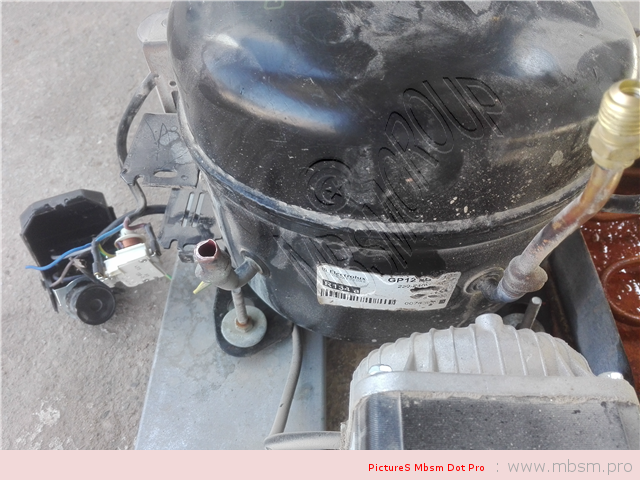
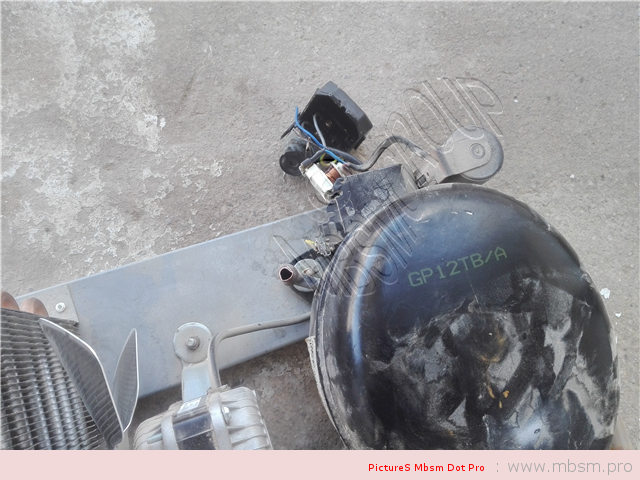
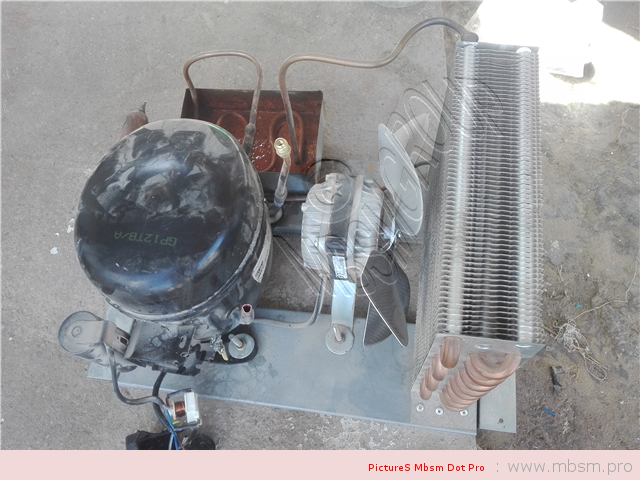
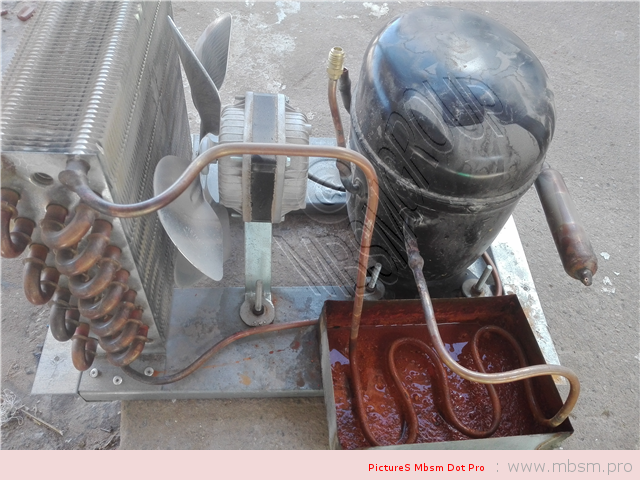
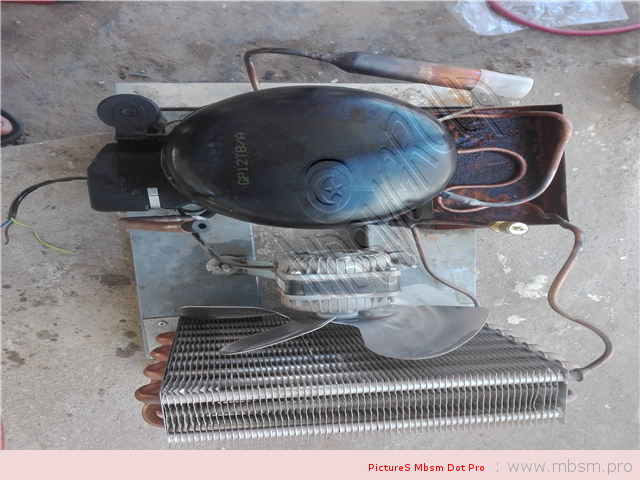
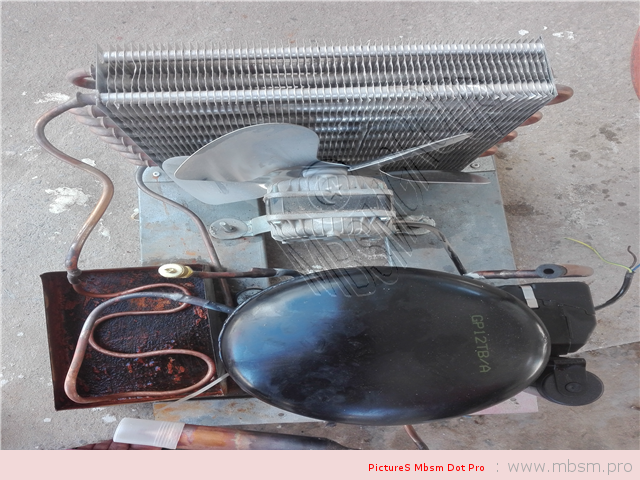
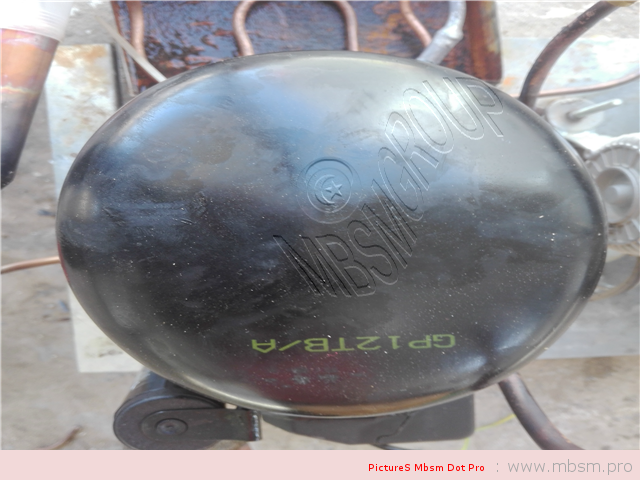
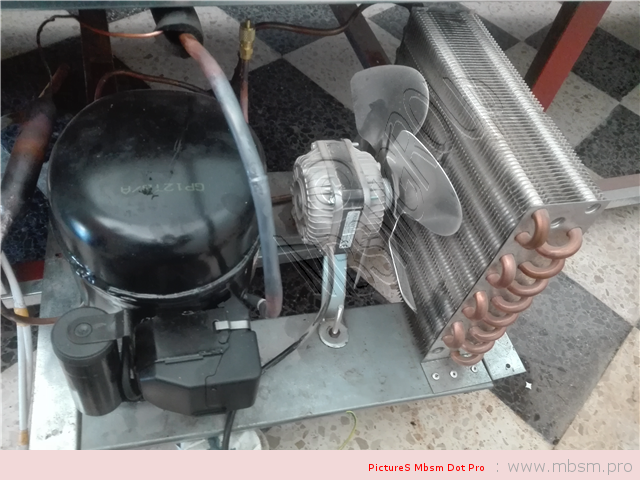
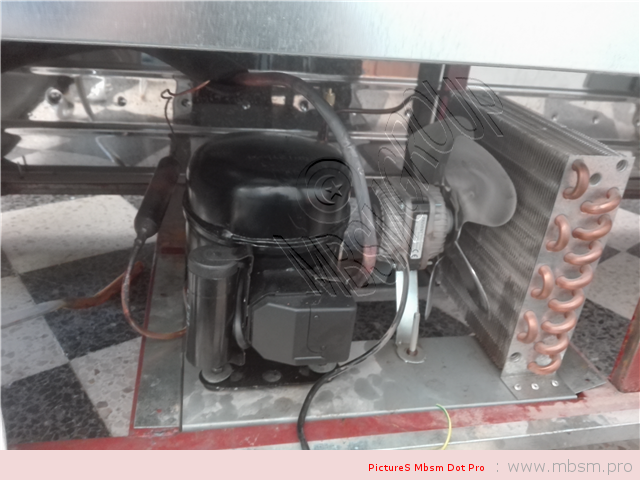
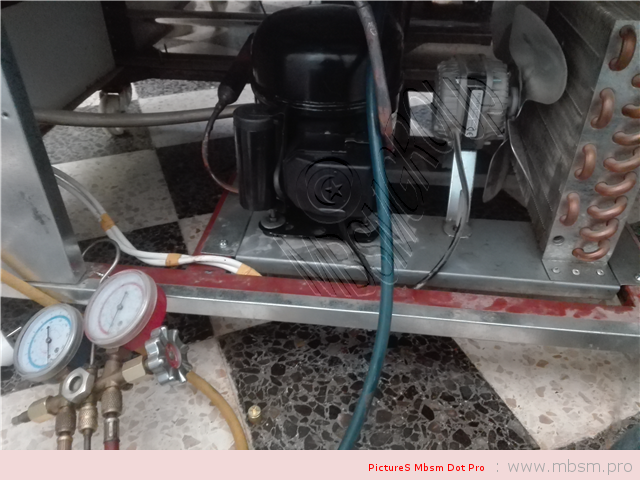
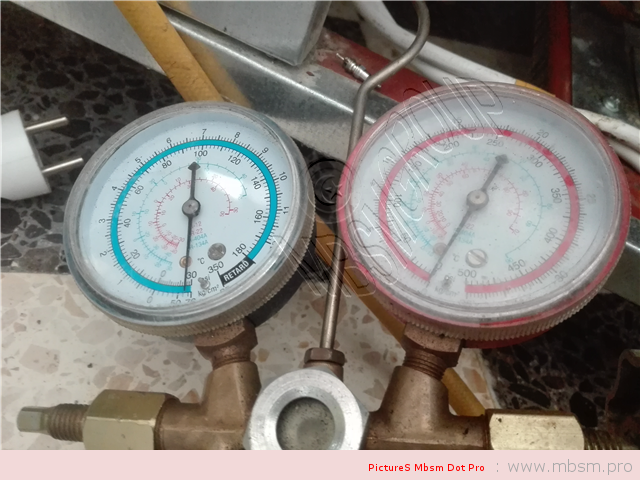
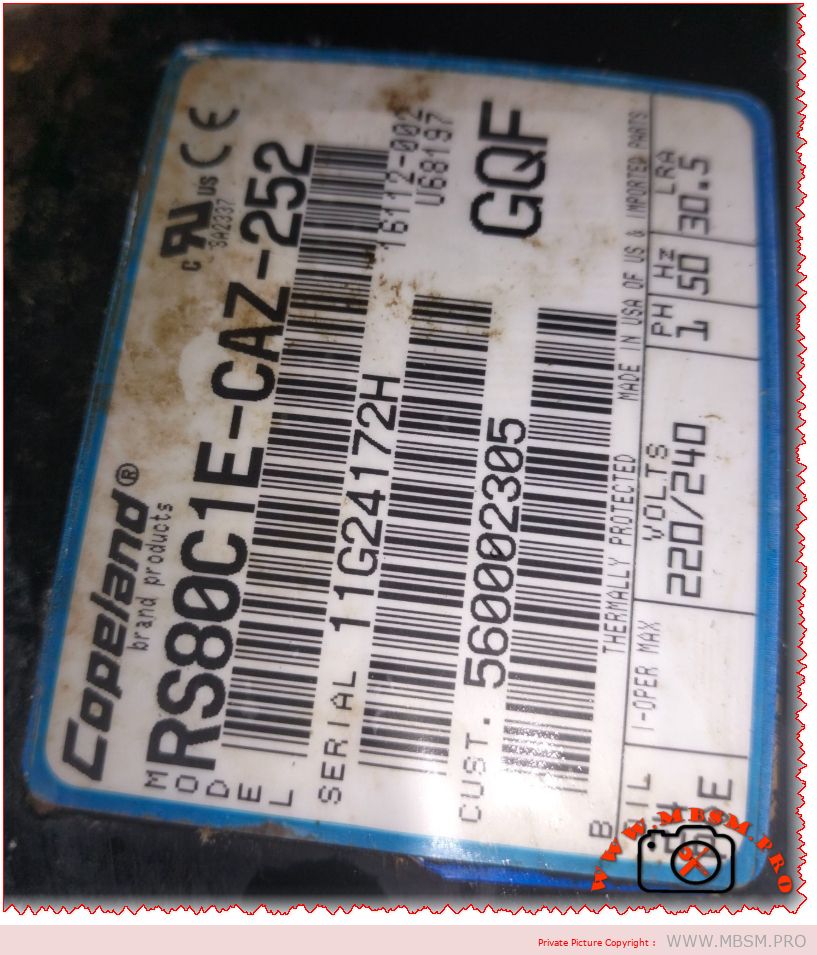
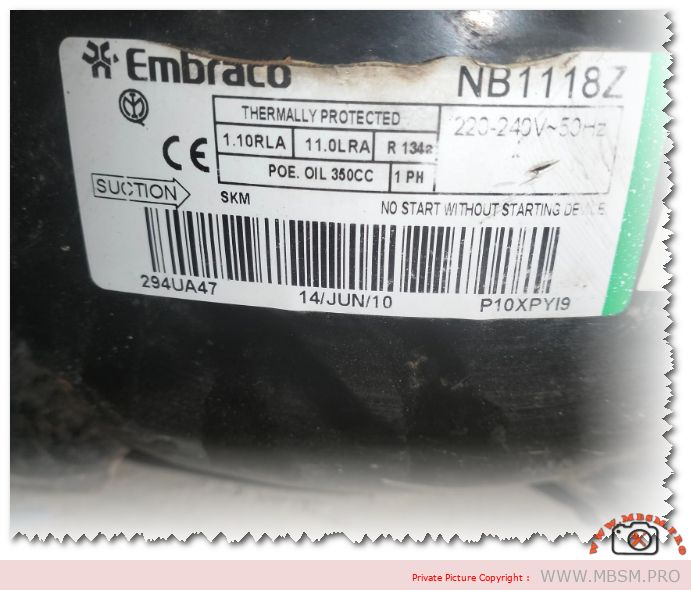
The Copeland RS80C1E-CAZ-252 represents a specialized hermetic reciprocating compressor engineered for low-temperature refrigeration applications where reliability meets efficiency. This single-phase unit operates on R134a refrigerant and delivers consistent performance in demanding freezing environments ranging from -30°C to -10°C evaporating temperatures.
Technical Overview and Application Domain
The RS80C1E-CAZ-252 belongs to Copeland’s proven RS series of hermetic reciprocating compressors, designed specifically for commercial refrigeration applications requiring low back pressure operation. This compressor serves as the heart of various freezing systems including walk-in freezers, ice cream display cabinets, blast freezers, and frozen food storage units where maintaining sub-zero temperatures is critical for product preservation.
Operating at 220-240V single-phase 50Hz power supply, this unit draws approximately 5 amperes during normal operation, making it suitable for standard commercial electrical systems. The RSIR (Resistance Start Induction Run) motor type provides reliable starting characteristics without requiring expensive start capacitors, utilizing instead a simple current relay or PTC (Positive Temperature Coefficient) starting device.
Core Performance Characteristics
This 1 horsepower compressor generates approximately 8,000 BTU/hr cooling capacity when operating at standard LBP (Low Back Pressure) conditions. The displacement volume typically measures around 10.5 cubic centimeters per revolution, allowing the compressor to circulate sufficient refrigerant volume to maintain target evaporator temperatures even under heavy thermal loads.
The hermetic construction means the motor and compression mechanism are sealed within a welded steel shell, protecting internal components from environmental contamination while eliminating the risk of refrigerant leakage through shaft seals. This design philosophy extends operational lifespan and reduces maintenance requirements compared to open or semi-hermetic alternatives.
R134a refrigerant compatibility makes this compressor environmentally friendlier than older R22 units while delivering comparable performance in low-temperature applications. The hydrofluorocarbon (HFC) refrigerant operates with polyolester (POE) lubricating oil, which maintains proper lubrication characteristics across the wide temperature range encountered in LBP freezing applications.
Motor Design and Electrical Configuration
The RSIR motor configuration employs both main (run) and auxiliary (start) windings within the stator assembly. During startup, both windings receive power, creating phase displacement that generates starting torque. Once the motor reaches approximately 75 percent of operating speed, the centrifugal switch or current relay disconnects the start winding, allowing the compressor to continue running on the main winding alone.
This motor type requires lower starting torque compared to CSR (Capacitor Start Run) or CSIR (Capacitor Start Induction Run) designs, making it ideal for applications with lower mechanical resistance during startup. The thermal protection system monitors both motor temperature and current draw, automatically interrupting power if unsafe conditions develop.
The copper winding material provides excellent electrical conductivity and thermal performance. Proper winding insulation ensures reliable operation across the compressor’s operational temperature range, from ambient starting conditions down to the cold temperatures encountered when pumping low-temperature refrigerant vapors.
Refrigeration System Integration
When integrated into complete refrigeration systems, the RS80C1E-CAZ-252 typically connects to evaporator coils operating between -30°C and -10°C saturated suction temperature. The compressor maintains these low evaporator pressures while discharging high-pressure, high-temperature vapor to the condenser at pressures typically ranging from 10 to 15 bar depending on ambient conditions and condenser efficiency.
Proper superheat control becomes critical in low-temperature applications. Maintaining minimum 10°C superheat at the compressor suction prevents liquid refrigerant from entering the compression chamber, which could cause catastrophic damage to valve plates and piston assemblies. Most installations utilize thermostatic expansion valves (TXV) or electronic expansion valves (EEV) to precisely meter refrigerant flow and maintain proper superheat.
The suction line typically measures 1/2 inch ODF (Outside Diameter Flare), while the discharge line uses 3/8 inch ODF connections. Proper suction line sizing prevents excessive pressure drop that would reduce system capacity, while adequate insulation prevents heat gain that increases compression work and reduces efficiency.
Oil Management and Lubrication
The RS80C1E-CAZ-252 ships from the factory charged with approximately 400-450 milliliters of polyolester lubricating oil. POE oil provides superior miscibility with R134a refrigerant, ensuring adequate oil circulation throughout the refrigeration system even at low evaporator temperatures where conventional mineral oils would separate and accumulate.
In low-temperature applications, proper oil return becomes paramount. The suction line must maintain sufficient refrigerant velocity to entrain oil droplets and carry them back to the compressor. Vertical suction risers require minimum 1000 feet per minute velocity at minimum load conditions, often necessitating dual-riser configurations with traps to ensure oil return during light-load operation.
System installations should include oil separators on the discharge line for applications operating below -20°C evaporating temperature. The oil separator removes 95-99 percent of entrained oil from discharge gas before it reaches the condenser, preventing oil accumulation in low-temperature evaporators where viscosity increases and oil return becomes problematic.
Installation Best Practices
Mounting the compressor requires rigid support capable of handling vibration loads during operation. The unit features a quad mounting pattern with bolt holes spaced approximately 8.0 inches by 4.8 inches, standard for this compressor frame size. Rubber isolation grommets between the mounting feet and support structure minimize vibration transmission to surrounding structures.
Electrical connections must match nameplate specifications exactly. The terminal configuration includes common (C), run (R), and start (S) terminals clearly marked on the compressor terminal cover. Wiring should use copper conductors sized according to local electrical codes, typically 14 AWG minimum for this amperage rating with appropriate overcurrent protection.
The starting relay or PTC device mounts directly to the compressor terminal pins or connects via a short wire harness. Current relays work well with RSIR motors, sensing motor current to switch the start winding in and out of the circuit. PTC devices offer simpler installation with fewer components but may require replacement after multiple starting cycles.
Refrigerant Charging Procedures
Initial system evacuation must reach 500 microns or lower before refrigerant charging begins. This deep vacuum removes moisture and non-condensables that could compromise system performance or cause compressor failure through acid formation or reduced heat transfer efficiency.
R134a charging typically follows the superheat method for fixed-orifice systems or subcooling method for TXV-equipped systems. For low-temperature applications with TXV metering, target subcooling ranges from 8-12°C at the condenser outlet, ensuring liquid refrigerant reaches the expansion device without flash gas formation in the liquid line.
Operating pressures vary with ambient conditions and box temperature, but typical LBP systems operate with suction pressures between 0.5-2.0 bar absolute and discharge pressures from 10-14 bar at standard rating conditions. Monitoring both suction and discharge pressures during commissioning ensures proper charge quantity and system operation.
Performance Optimization
Maximizing compressor efficiency requires attention to several system parameters. Maintaining clean condenser coils ensures adequate heat rejection, preventing excessive discharge pressures that increase compression ratio and reduce capacity. Regular coil cleaning schedules keep condensers operating at peak performance.
Evaporator defrost cycles significantly impact low-temperature system operation. Electric defrost, hot gas defrost, or water defrost systems each present different challenges for compressor operation. Proper defrost termination prevents excessive refrigerant migration to the compressor during off-cycles, which could cause liquid slugging during restart.
Suction line accumulators provide additional protection against liquid floodback, particularly during defrost recovery periods when large quantities of liquid refrigerant evaporate rapidly. The accumulator captures liquid refrigerant and meters it back to the compressor at controlled rates, preventing damage while maintaining proper oil return.
Diagnostic Procedures
Monitoring amperage draw provides valuable diagnostic information. Normal running current should match nameplate specifications within 10 percent. Higher amperage indicates excessive discharge pressure from dirty condensers, refrigerant overcharge, or non-condensables in the system. Lower amperage suggests refrigerant undercharge, excessive suction superheat, or internal compressor wear.
Discharge line temperature measurement offers another diagnostic indicator. Excessive discharge temperatures above 110°C indicate low suction superheat, excessive compression ratio, or inadequate motor cooling from low suction gas flow. Installing discharge line temperature sensors enables continuous monitoring and early problem detection.
Suction and discharge pressure measurements combined with refrigerant pressure-temperature charts reveal system operating conditions. Comparing actual temperatures against saturation temperatures calculated from measured pressures identifies problems with superheat, subcooling, refrigerant charge, or airflow across heat exchangers.
Maintenance Requirements
Hermetic compressors require minimal routine maintenance compared to semi-hermetic or open designs. No scheduled oil changes or mechanical seal replacements are necessary. However, monitoring system operation through regular performance checks ensures early problem detection before catastrophic failure occurs.
Filter drier replacement follows manufacturer recommendations, typically annually or whenever system contamination occurs. Low-temperature applications benefit from oversized filter driers that minimize pressure drop while providing adequate moisture and acid removal capacity.
Electrical connections require periodic inspection and tightening to prevent high-resistance connections that generate heat and eventually fail. Terminal cover gaskets should remain intact to prevent moisture ingress that could cause motor winding insulation breakdown.
Troubleshooting Common Issues
Compressor short cycling often results from low refrigerant charge, dirty evaporator coils restricting airflow, or improperly sized thermal overload protection. Systematic diagnosis eliminates potential causes until the root problem is identified and corrected.
Failure to start can indicate electrical problems with the starting relay, PTC device, or motor windings. Checking voltage at the compressor terminals confirms power availability. Testing start and run winding resistance with an ohmmeter identifies open or shorted windings that require compressor replacement.
Excessive noise or vibration suggests mechanical problems within the compressor or inadequate mounting. Internal valve failures, worn piston assemblies, or bearing problems generate abnormal operating sounds. Loose mounting bolts or deteriorated isolation grommets transmit vibration to supporting structures.
Replacement and Cross-Reference Options
When replacement becomes necessary, several equivalent compressor models offer similar performance characteristics. Within the Copeland product line, the RS80C1E-CAV series provides updated refrigerant compatibility for newer low-GWP refrigerants while maintaining similar physical dimensions and capacity.
Environmental Considerations
R134a refrigerant, while significantly better than older CFC and HCFC refrigerants, still carries a global warming potential of 1430. Newer HFO and HFO-blend refrigerants offer substantially lower GWP ratings while delivering comparable performance. Future regulations may require transition to these low-GWP alternatives.
Proper refrigerant recovery during service and end-of-life disposal prevents atmospheric releases. Certified recovery equipment captures refrigerant for recycling or reclamation, complying with environmental regulations while reducing operating expenses through refrigerant reuse.
Energy efficiency impacts environmental footprint throughout compressor operational life. Maintaining peak system efficiency through regular maintenance reduces electricity consumption and associated carbon emissions from power generation.
Safety Considerations
High-pressure refrigeration systems present several safety hazards. Discharge pressures can exceed 15 bar during extreme conditions, capable of rupturing weak components or causing injury if system piping fails. Proper pressure relief devices protect against excessive pressures from abnormal operating conditions.
Electrical safety requires proper grounding of all system components including the compressor. Ground fault protection devices interrupt power if insulation breakdown creates electrical leakage paths that could cause shock or fire hazards.
Refrigerant safety depends on proper handling procedures. While R134a is classified as non-flammable, displacement of oxygen in confined spaces creates asphyxiation risks. Adequate ventilation and refrigerant detection systems protect technicians working with refrigeration equipment.
Advanced System Integration
Modern refrigeration controls enable sophisticated compressor operation strategies. Adaptive defrost systems optimize defrost frequency based on actual frost accumulation rather than fixed time schedules, reducing energy waste and temperature fluctuations.
Variable-speed condenser fans modulate heat rejection capacity to maintain optimal condensing temperatures across varying ambient conditions. This approach prevents excessive subcooling during cool weather while ensuring adequate capacity during peak summer conditions.
Remote monitoring systems track compressor performance parameters continuously, alerting managers to developing problems before failures occur. Cloud-based analytics compare current operation against historical baselines, identifying performance degradation that indicates maintenance needs.
Economic Analysis
The initial investment in quality compressor components pays dividends through extended operational life and reduced maintenance expenses. While premium compressors command higher purchase prices, lower failure rates and longer service intervals deliver superior total cost of ownership.
Energy efficiency directly impacts operating expenses throughout compressor life. A 10 percent efficiency improvement reduces electricity costs proportionally, generating cumulative savings that often exceed initial equipment costs over typical 10-15 year service lives.
Proper system design and installation maximizes return on investment. Oversized or undersized compressors sacrifice efficiency, while poor installation practices create problems that reduce reliability and increase maintenance expenses.
Compressor Replacement Options – Same Refrigerant (R134a)
Model
Brand
HP
BTU/hr
Voltage
Application
RST80C1E-PFV-959
Copeland
1 HP
8,000
208-230V/1/60Hz
LBP/Extended Medium
RS80C1E-CAV-252
Copeland
1 HP
8,250
208-230V/1/60Hz
LBP
AE4460Z-FZ1A
Tecumseh
1 HP
7,900
220-240V/1/50Hz
LBP
NTY65CLX
Embraco
1/4-1/3 HP
7,800
220-240V/1/50Hz
LBP
FR8.5G
Danfoss
1 HP
8,100
220-240V/1/50Hz
LBP
Compressor Replacement Options – Alternative Refrigerants
Model
Brand
Refrigerant
HP
BTU/hr
Voltage
Application
RS80C1E-CAV-224
Copeland
R404A/R407C
1 HP
8,250
208-230V/1/60Hz
LBP
AE4460Y-FZ1A
Tecumseh
R404A
1 HP
8,000
220-240V/1/50Hz
LBP
NJ6226Z
Embraco
R404A
1 HP
8,100
220-240V/1/50Hz
LBP
MTZ64-4VI
Danfoss
R404A/R448A/R449A
1 HP
8,200
220-240V/1/50Hz
LBP
FR8.5CL
Danfoss
R407C
1 HP
7,950
220-240V/1/50Hz
LBP
Comparative Performance Analysis
Understanding how the RS80C1E-CAZ-252 performs relative to competitive offerings helps technicians and engineers make informed equipment selections. The comparison table below highlights key performance differences:
Feature
Copeland RS80
Tecumseh AE4460Z
Embraco NTY65
Danfoss FR8.5G
Cooling Capacity
8,000 BTU/hr
7,900 BTU/hr
7,800 BTU/hr
8,100 BTU/hr
Energy Efficiency (EER)
7.8
7.6
7.5
8.0
Noise Level
52 dB(A)
54 dB(A)
53 dB(A)
51 dB(A)
Weight
18 kg
17.5 kg
16 kg
18.5 kg
Mounting Pattern
8.0″ x 4.8″
8.0″ x 5.0″
7.5″ x 4.5″
8.0″ x 4.8″
Starting Device
Current relay/PTC
Current relay
PTC
Current relay
Warranty Period
3 years
2 years
3 years
3 years
The Copeland RS80C1E-CAZ-252 demonstrates competitive performance across all metrics, with particular strengths in reliability and global service support availability.
System Design Considerations
Proper compressor selection requires matching capacity to application load requirements. Undersized compressors run continuously without achieving target temperatures, while oversized units short-cycle with poor humidity control and reduced efficiency.
Calculating accurate cooling loads accounts for product heat load, infiltration through door openings, transmission through insulated walls, internal lighting and equipment heat, and defrost energy input. Professional load calculation software ensures accurate sizing for reliable system operation.
Condensing unit location affects performance significantly. Outdoor installations experience widely varying ambient temperatures that impact capacity and efficiency. Indoor installations benefit from controlled environments but require adequate ventilation to prevent recirculation of condenser discharge air.
Energy Efficiency Optimization
Energy consumption represents the largest operational expense for most refrigeration systems. Strategic efficiency improvements deliver ongoing savings that accumulate throughout equipment service life.
Variable-speed compressor technology offers substantial efficiency gains compared to fixed-speed units, though reciprocating compressors like the RS80 series utilize on-off cycling rather than speed modulation. Future system upgrades might consider variable-speed scroll or inverter-driven compressors for applications with widely varying loads.
Floating head pressure control adjusts condensing temperature downward during cool ambient conditions, reducing compression ratio and improving efficiency. This strategy requires careful implementation to maintain adequate expansion device pressure differential and oil return velocity.
Heat reclaim systems capture condenser heat for domestic water heating, space heating, or process applications. Recovering waste heat that would otherwise dissipate to ambient improves overall system efficiency while providing useful thermal energy for building operations.
Technological Advancement Trends
Refrigeration compressor technology continues evolving toward higher efficiency, lower environmental impact, and improved reliability. Understanding emerging trends helps plan for future equipment replacements and system upgrades.
Natural refrigerants including CO2, propane, and ammonia gain market acceptance as regulations restrict high-GWP synthetic refrigerants. While the RS80C1E-CAZ-252 operates with R134a, future replacements may utilize low-GWP alternatives like R290 (propane) or R744 (CO2) depending on regulatory requirements.
Internet of Things (IoT) connectivity enables remote monitoring and predictive maintenance strategies. Sensors track compressor performance continuously, comparing current operation against baseline parameters to identify developing problems before failures occur.
Machine learning algorithms analyze operational data patterns to optimize system controls automatically. Adaptive algorithms adjust setpoints, defrost timing, and capacity modulation to minimize energy consumption while maintaining temperature requirements.
Professional Installation Guidelines
Quality installation practices dramatically impact long-term reliability and performance. Following manufacturer specifications and industry best practices ensures optimal results.
Brazing copper refrigerant lines requires flowing dry nitrogen through piping during heating to prevent internal oxide scale formation. Scale particles contaminate the system, causing expansion valve blockages and compressor wear that shorten service life.
Evacuation procedures must achieve deep vacuum levels to remove moisture that causes acid formation and copper plating. Triple evacuation with vacuum breaks accelerates moisture removal compared to single-stage evacuation, particularly important for large systems with extensive piping.
Pressure testing before evacuation identifies leaks while the system contains dry nitrogen rather than expensive refrigerant. Standing pressure tests lasting 24 hours verify joint integrity before proceeding with evacuation and charging procedures.
Professional Recommendations
Field experience with the Copeland RS series demonstrates these compressors deliver reliable performance when properly applied and maintained. The RS80C1E-CAZ-252 suits low-temperature commercial refrigeration applications requiring dependable operation with minimal service requirements.
Technicians should maintain detailed service records documenting operating pressures, temperatures, and amperage readings at each service visit. Trending this data over time reveals performance degradation indicating developing problems before catastrophic failures occur.
Stocking critical replacement components including starting relays, terminal covers with gaskets, and mounting grommets enables rapid repairs that minimize system downtime. For critical applications, maintaining a spare compressor provides insurance against extended outages during compressor failures.
Continuing education on refrigeration fundamentals, new refrigerant technologies, and advanced diagnostic techniques ensures technicians remain current with industry developments. Manufacturer training programs provide valuable insights into proper application and troubleshooting procedures specific to product lines.
Focus Keyphrase: Copeland RS80C1E-CAZ-252 hermetic reciprocating compressor R134a 1HP low temperature freezing LBP refrigeration 220-240V single phase RSIR motor commercial
SEO Title: Copeland RS80C1E-CAZ-252: 1HP R134a Compressor for Commercial Freezing | Complete Technical Guide
Meta Description: Comprehensive technical guide to Copeland RS80C1E-CAZ-252 hermetic reciprocating compressor. 1HP, R134a refrigerant, LBP freezing applications -30°C to -10°C. Installation, maintenance, replacement options.
Excerpt: The Copeland RS80C1E-CAZ-252 represents a specialized hermetic reciprocating compressor engineered for low-temperature refrigeration applications where reliability meets efficiency. This single-phase unit operates on R134a refrigerant and delivers consistent performance in demanding freezing environments ranging from -30°C to -10°C evaporating temperatures. Operating at 220-240V single-phase 50Hz power supply, this unit draws approximately 5 amperes during normal operation, making it suitable for standard commercial electrical systems.
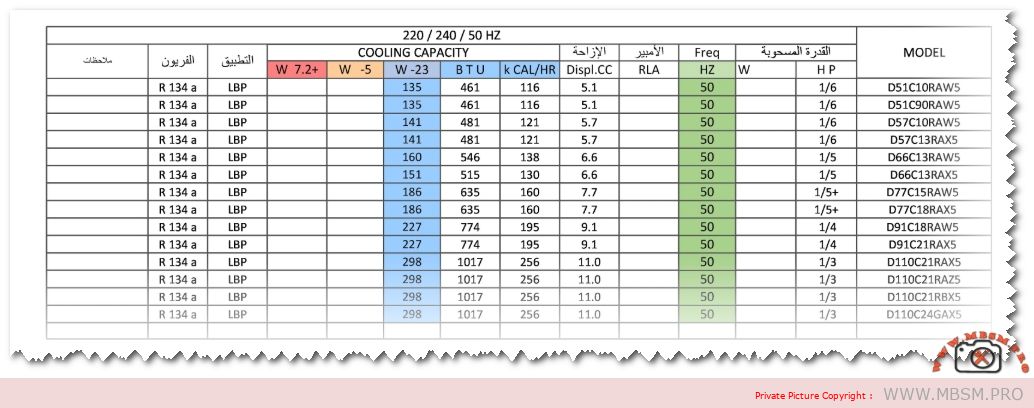
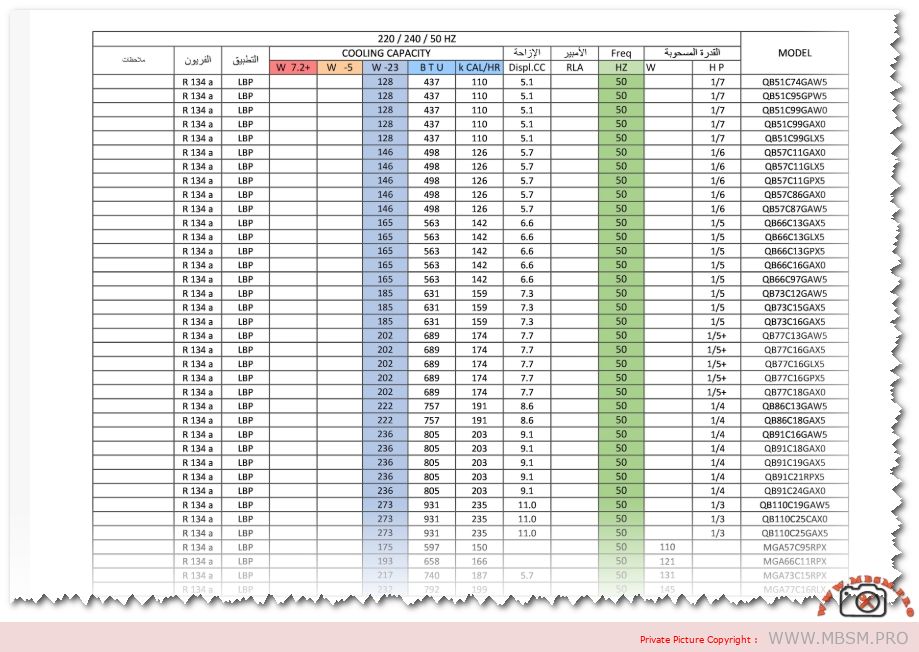
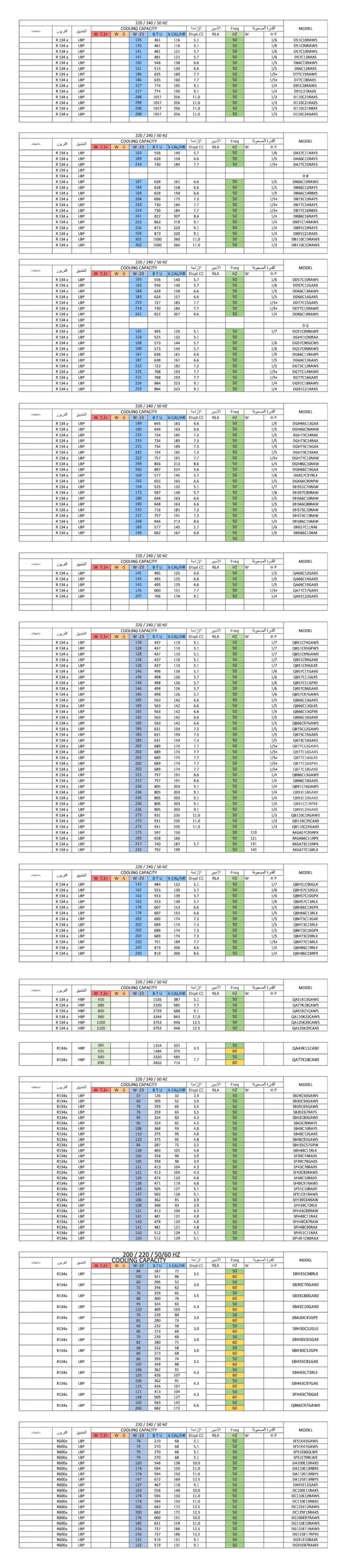
To better understand the codes, we can group them by their prefixes:
D-Series
These are likely standard Panasonic compressors:
D51C10RAW5
D51C90RAW5
D57C10RAW5
D57C13RAX5
D66C13RAW5
D66C13RAX5
D77C15RAW5
D77C18RAX5
D91C18RAW5
D91C21RAX5
D110C21RAX5
D110C21RAZ5
D110C21RBX5
D110C24GAX5
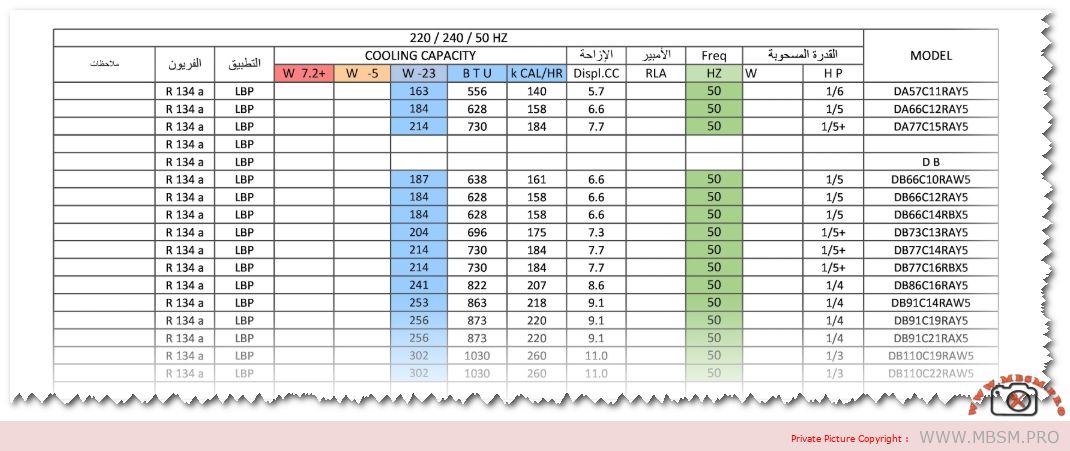
DA-Series
These may represent advanced or upgraded versions:
DA57C11RAY5
DA66C12RAY5
DA77C15RAY5
DB-Series
These could be specialized or commercial-grade compressors:
DB66C10RAW5
DB66C12RAY5
DB66C14RBX5
DB73C13RAY5
DB77C14RAY5
DB77C16RBX5
DB86C16RAY5
DB91C14RAW5
DB91C19RAY5
DB91C21RAX5
DB110C19RAW5
DB110C22RAW5
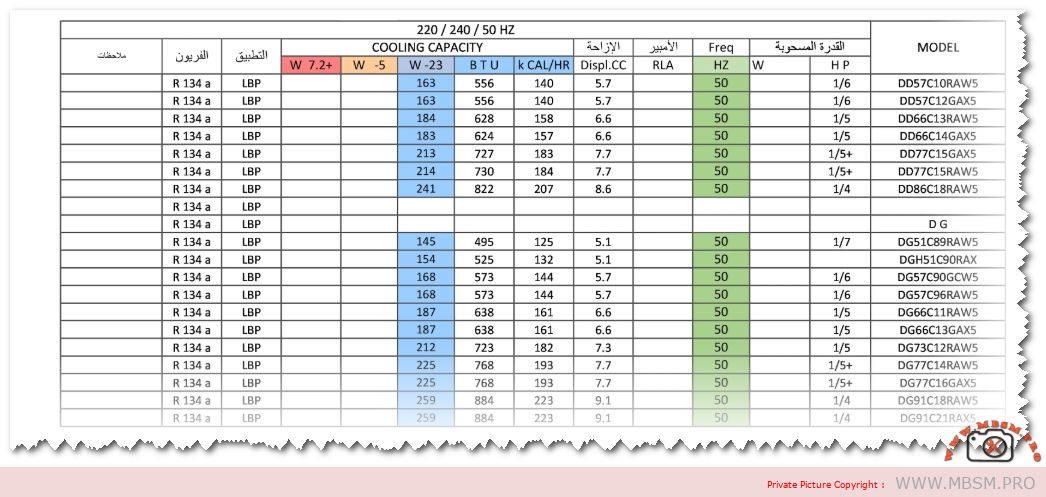
DD-Series
Possibly high-efficiency or dual-stage compressors:
DD57C10RAW5
DD57C12GAX5
DD66C13RAW5
DD66C14GAX5
DD77C15GAX5
DD77C15RAW5
DD86C18RAW5
DG-Series
May represent gas-cooled or hermetic compressors:
DG51C89RAW5
DGH51C90RAX
DG57C90GCW5
DG57C96RAW5
DG66C11RAW5
DG66C13GAX5
DG73C12RAW5
DG77C14RAW5
DG77C16GAX5
DG91C18RAW5
DG91C21RAX5
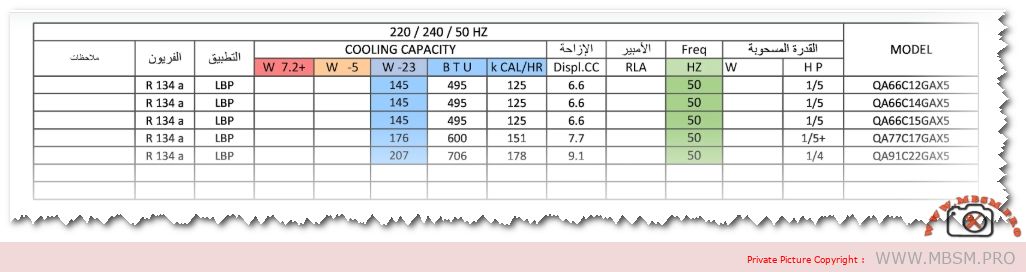
QA-Series
Could be for air conditioning or heat pump applications:
QA66C12GAX5
QA66C14GAX5
QA66C15GAX5
QA77C17GAX5
QA91C22GAX5
QB-Series
Likely for higher-capacity or industrial use:
QB51C74GAW5
QB51C95GPW5
QB51C99GAW0
QB51C99GAX0
QB51C99GLX5
QB57C11GAX0
QB57C11GLX5
QB57C11GPX5
QB57C86GAX0
QB57C87GAW5
QB66C13GAX5
QB66C13GLX5
QB66C13GPX5
QB66C16GAX0
QB66C97GAW5
QB73C12GAW5
QB73C15GAX5
QB73C16GAX5
QB77C13GAW5
QB77C16GAX5
QB77C16GLX5
QB77C16GPX5
QB77C18GAX0
QB86C13GAW5
QB86C18GAX5
QB91C16GAW5
QB91C18GAX0
QB91C19GAX5
QB91C21RPX5
QB91C24GAX0
QB110C19GAW5
QB110C25CAX0
QB110C25GAX5
MGA-Series
May represent modular or customizable compressors:
MGA57C95RPX
MGA66C11RPX
MGA73C15RPX
MGA77C16RLX
SB-Series
Could be scroll-type or semi-hermetic compressors:
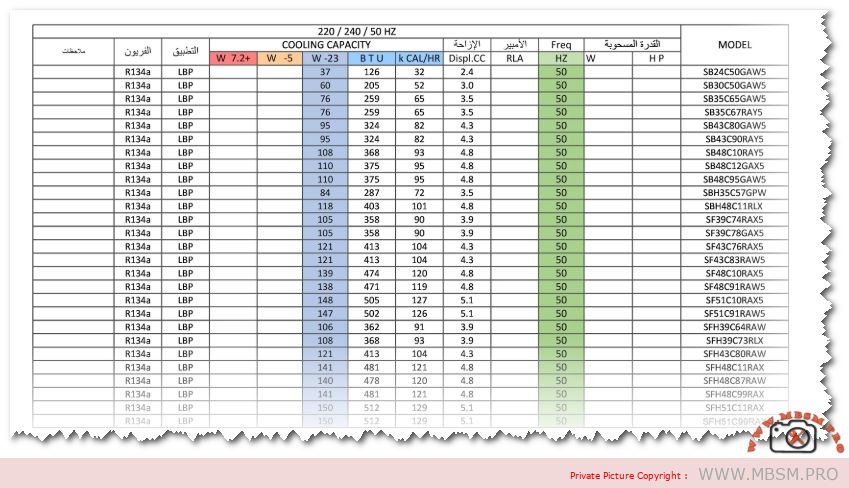
SB24C50GAW5
SB30C50GAW5
SB35C65GAW5
SB35C67RAY5
SB43C80GAW5
SB43C90RAY5
SB48C10RAY5
SB48C12GAX5
SB48C95GAW5
SF-Series
Possibly for fractional horsepower or small-scale applications:
SF39C74RAX5
SF39C78GAX5
SF43C76RAX5
SF43C83RAW5
SF48C10RAX5
SF48C91RAW5
SF51C10RAX5
SF51C91RAW5
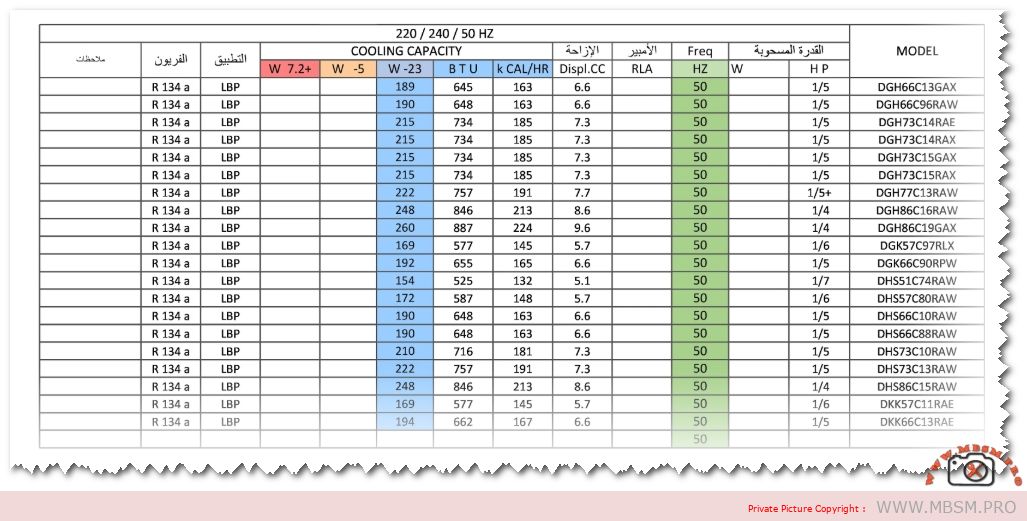
Other Codes
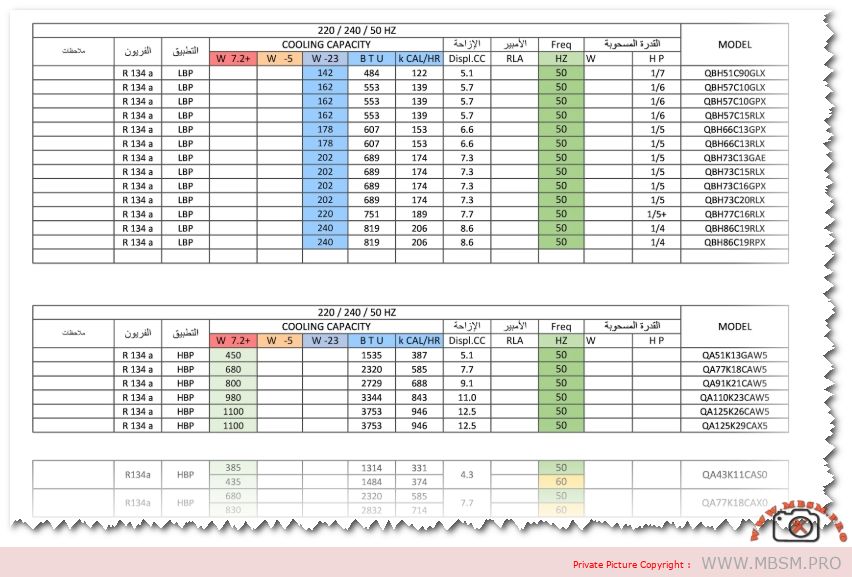
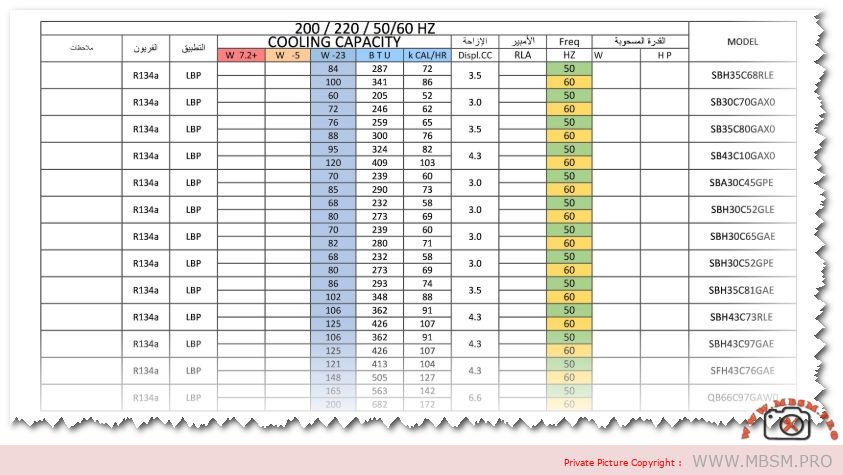
Some codes have unique prefixes like QBH, DHS, DKK, etc., which may correspond to specialized or regional product lines.
Panasonic compressors are widely recognized for their reliability, efficiency, and durability. They are commonly used in a variety of applications, including air conditioning systems, refrigeration units, heat pumps, and more. Below is an overview of Panasonic compressors, their types, features, and how they are classified.
1. Types of Panasonic Compressors
a. Rotary Compressors
Description : These compressors use a rotating mechanism to compress refrigerant gas. They are known for their compact size, low noise, and high efficiency.
Applications : Ideal for small to medium-sized air conditioners, refrigerators, and freezers.
Examples :
D51C10RAW5
DB66C10RAW5
b. Scroll Compressors
Description : Scroll compressors use two spiral-shaped scrolls to compress refrigerant. They are highly efficient and quiet, making them suitable for residential and commercial HVAC systems.
Applications : Used in air conditioners, heat pumps, and large refrigeration systems.
Examples :
SB24C50GAW5
SB35C65GAW5
c. Reciprocating Compressors
Description : These compressors use pistons to compress refrigerant. They are robust and reliable but generally less efficient than rotary or scroll compressors.
Applications : Commonly used in industrial refrigeration systems.
Examples :
DGH51C90RAX
DG57C90GCW5
d. Variable-Speed Compressors
Description : These compressors can adjust their speed based on the cooling or heating demand, improving energy efficiency and comfort.
Applications : Suitable for advanced air conditioning and heat pump systems.
Examples :
QB77C16GAX5
QB91C21RPX5
e. Hermetic Compressors
Description : Hermetically sealed compressors are fully enclosed to prevent leaks and contamination. They are maintenance-free and highly reliable.
Applications : Used in household appliances like refrigerators and freezers.
Examples :
QA66C12GAX5
QA91C22GAX5
2. Features of Panasonic Compressors
a. High Efficiency
Panasonic compressors are designed to minimize energy consumption while maintaining optimal performance. Many models meet or exceed global energy efficiency standards.
b. Durability
Built with high-quality materials and advanced engineering, Panasonic compressors are built to last. They undergo rigorous testing to ensure reliability under various operating conditions.
c. Low Noise
Panasonic uses advanced technologies to reduce noise levels, making their compressors ideal for residential and commercial environments where quiet operation is essential.
d. Compatibility
Panasonic compressors are compatible with a wide range of refrigerants, including eco-friendly options like R32 and R410A.
e. Smart Control
Many Panasonic compressors come with built-in sensors and control systems that optimize performance based on real-time conditions.
3. Code Breakdown for Panasonic Compressors
The alphanumeric codes used by Panasonic provide detailed information about each compressor. Here’s how they can be interpreted:
General Structure
Prefix : Indicates the series or type of compressor (e.g., D, DB, DG, QA, QB).
Number Segment 1 (XX) : Represents the capacity or size of the compressor.
Separator (C) : A delimiter separating different parts of the code.
Number Segment 2 (YY) : Specifies the version, design, or feature level.
Suffix (ZZZ) : Describes the configuration, application, or technology.
Examples
D51C10RAW5:
Prefix: D (Standard compressor)
Capacity: 51 (indicative of size or power)
Separator: C
Version: 10
Suffix: RAW5 (Air-cooled, standard model)
QB77C16GAX5:
Prefix: QB (High-performance compressor)
Capacity: 77
Separator: C
Version: 16
Suffix: GAX5 (Gas-cooled, enhanced efficiency)
4. Applications of Panasonic Compressors
a. Air Conditioning Systems
Panasonic compressors are widely used in both split-type and central air conditioning systems. Their variable-speed and inverter technologies ensure precise temperature control and energy savings.
b. Refrigeration Units
From small household refrigerators to large commercial chillers, Panasonic compressors offer reliable performance across a wide range of applications.
c. Heat Pumps
Panasonic compressors are integral components of heat pump systems, providing efficient heating and cooling in a single unit.
d. Industrial Applications
In industrial settings, Panasonic compressors are used for process cooling, cold storage, and other demanding applications.
5. Popular Models
Here are some popular Panasonic compressor models and their typical applications:
Model
Type
Application
D51C10RAW5
Rotary
Small air conditioners
DB66C10RAW5
Rotary
Medium-sized air conditioners
SB24C50GAW5
Scroll
Residential air conditioners
QA66C12GAX5
Hermetic
Refrigerators and freezers
QB77C16GAX5
Variable-Speed
Advanced air conditioning systems
DG57C90GCW5
Reciprocating
Industrial refrigeration systems
6. Advantages of Panasonic Compressors
Energy Efficiency : Panasonic compressors are designed to reduce electricity consumption without compromising performance.
Quiet Operation : Advanced noise reduction technologies make Panasonic compressors ideal for residential and office environments.
Reliability : Built to withstand harsh conditions, Panasonic compressors offer long service life with minimal maintenance.
Eco-Friendly : Many Panasonic compressors use environmentally friendly refrigerants, contributing to sustainability.
7. Conclusion
Panasonic compressors are trusted globally for their exceptional performance, efficiency, and reliability. Whether you’re looking for a compact rotary compressor for a home refrigerator or a high-capacity scroll compressor for a commercial HVAC system, Panasonic offers a wide range of solutions tailored to your needs.
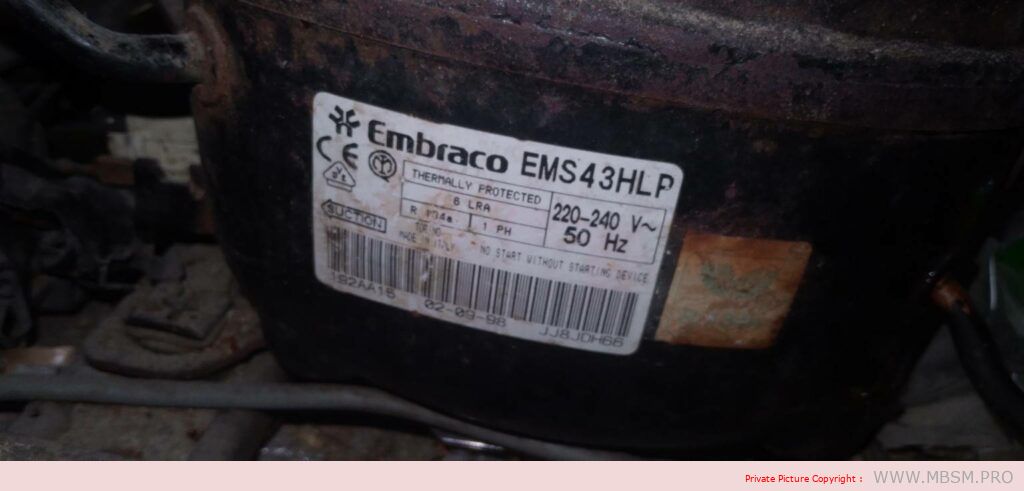
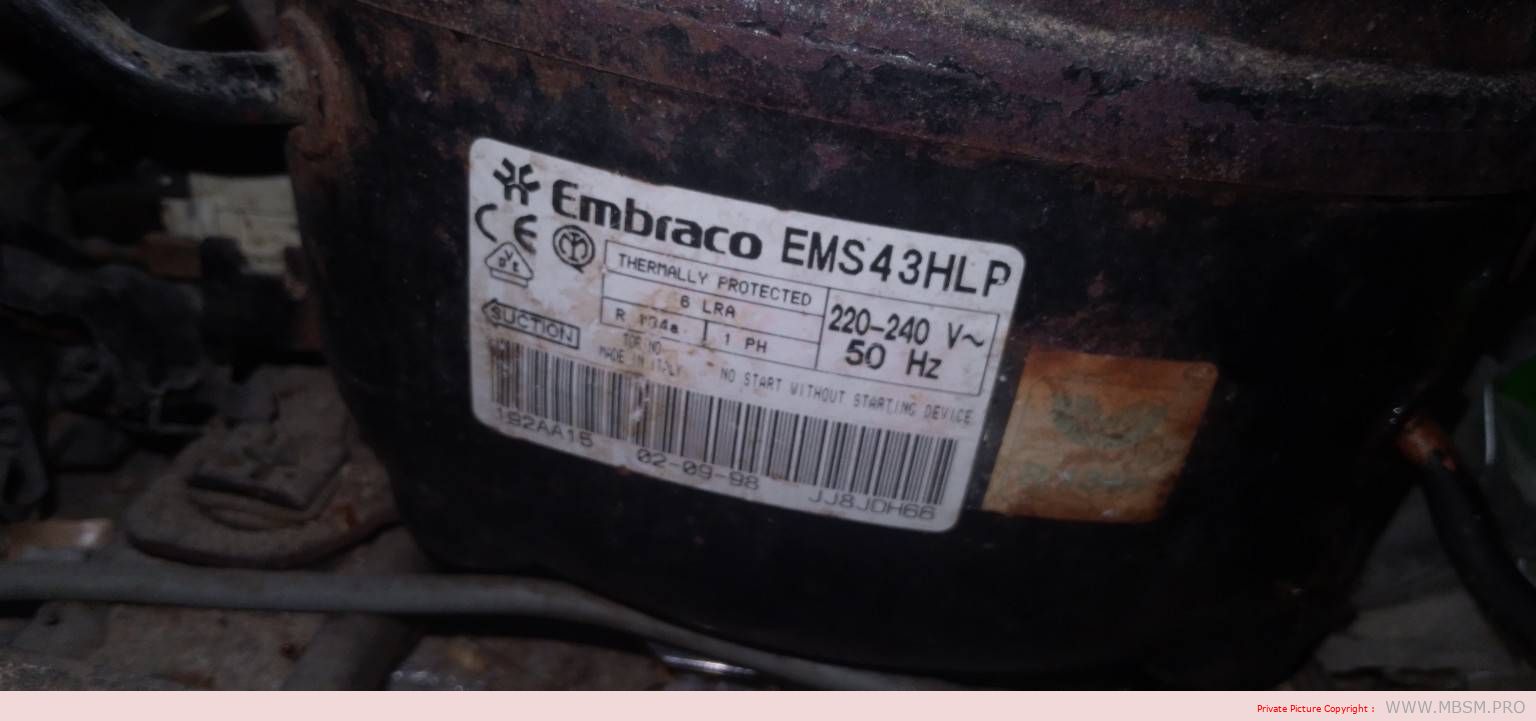
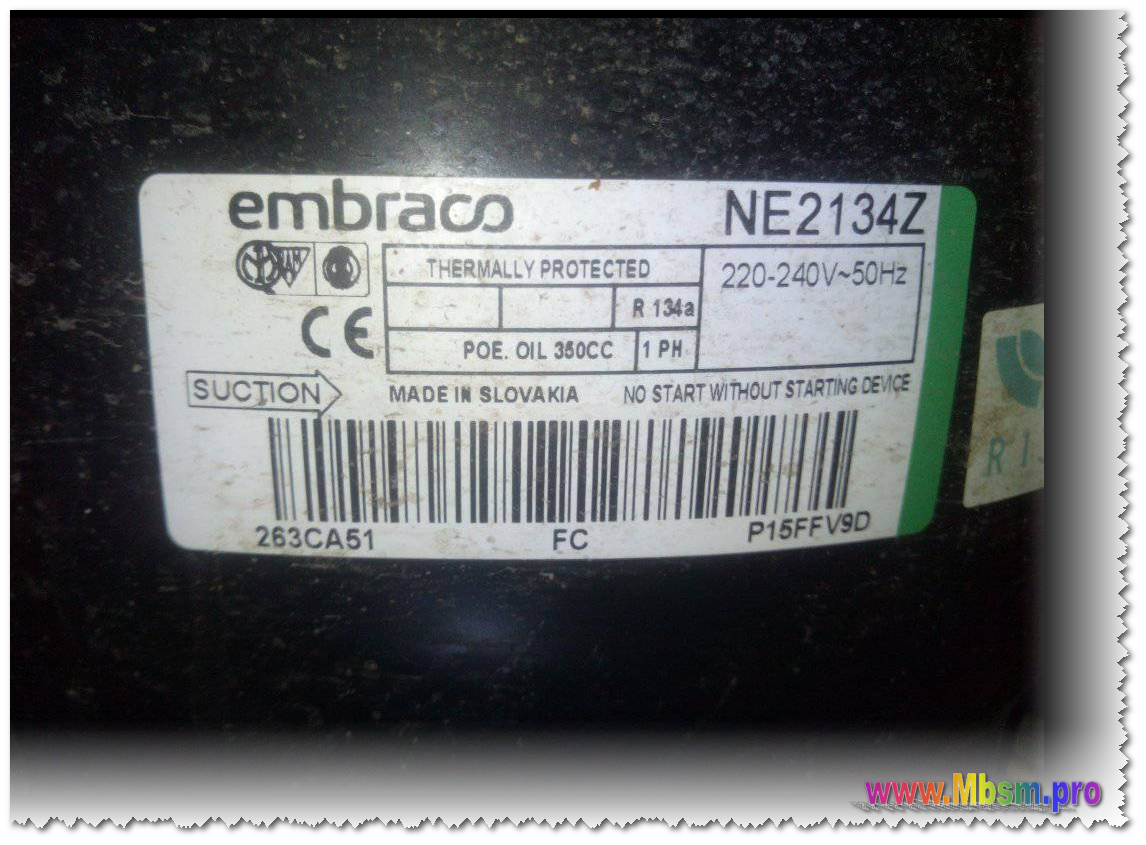
Mbsm.pro, Compressor, Embraco, Aspera, EMT43HLP, EMY3111Z, LBP-R134a, R507, 220-240V/1/50Hz, 1/8and HP, displacement 4.85 cm3, motor type RSIR
Model:SC21G Refrigerant:R134A Power:220-240V/50/60HZ Back Pressure:Low/High Power Source: AC Power
Description
We take ‘Quality Standards, Innovation, Continuous Improvement, Customer Satisfaction’ as our quality policy, take the recruitment of talents as the foundation of the enterprise, and regard improving product quality as our mission. We provide you with a one-stop service for Tecumseh Piston Compressor For Air Conditioning, 30HP Copeland Semi-hermetic Compressor, DIXELL Controller For Compressor at a reasonable price. Welcome domestic and foreign customers to call and negotiate. We also continuously innovated and improved our enterprise management system to improve efficiency, providing professional, reliable and high-quality products to serve customers around the world. If you pursuit the Hi-quality, Hi-stable, Competitive price parts, company name is your best choice! We are dedicated to the satisfaction of customers and try to meet their different requirements, sample orders are accepted.
Hot sales R134a SECOP Piston Compressors SC21G
Product introduction
SECOP Hermetic Piston Compressors
Model:SC21G
Refrigerant:R134A
Power:220-240V/50/60HZ
Back Pressure:Low/High
Power Source: AC Power
Voltage range[V]:187- 254
Evaporating temperature [F]:-25 to -5
Transport Package: Wood Package
Product feature
Model
Electric Source
Power(HP)
Capacity(W)
Refrigerant
Back Pressure
SC15CM
220V-240V 50Hz
1/2HP
375
R22
Low
SC18CM
220V-240V 50Hz
5/8HP
469
R22
Low
SC15D
220V-240V 50Hz
5/8HP
469
R22
High
SC15G
220V-240V 50Hz
3/8HP
281
R134a
Low/High
SC18G
220V-240V 50Hz
1/2HP
375
R134a
Low/High
SC21G
220V-240V 50Hz
5/8HP
469
R134a
Low/High
SC10CL
220V-240V 50Hz
1/3HP
250
R404A
Low
SC15CL
220V-240V 50Hz
1/2HP
375
R404A
Low
TL5G
220V-240V 50Hz
R134A
Low/High
Product Application
Cold storage, frozen food processing and storage, quick freezing cold storage, low temperature shelf, ice cream machine, showcase, chiller, large integrated air conditioning, laboratory and medical equipment, cold dryer, glass door commercial freezer, vending machine, Ice machine, beverage cabinet, heat pump, milk cooling tank, etc.