Huayi HYE69Y63 Compressor 1/5 HP R134a LBP
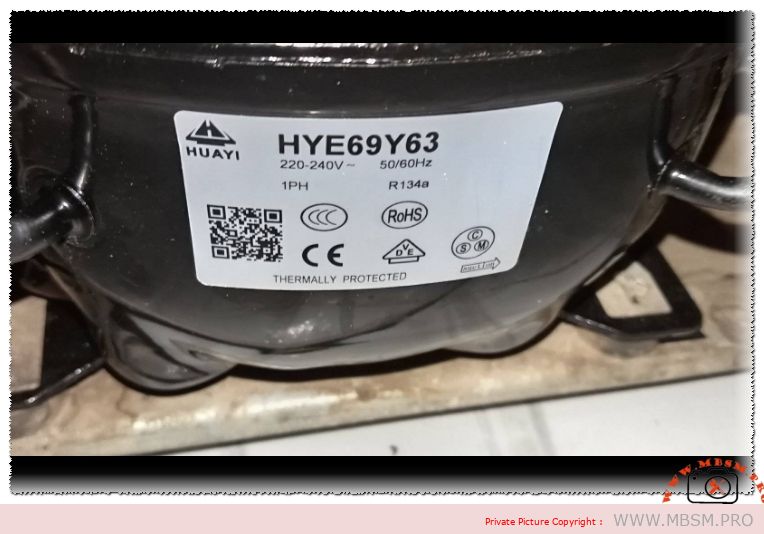
huayi-hye69y63-compressor-1-5-hp-r134a-lbp-mbsmpro

Focus Keyphrase: Huayi HYE69Y63 Compressor 1/5 HP R134a LBP Technical Specifications and Professional Cross-Reference Guide for Refrigerator Repair

SEO Title: Mbsmpro.com, Compressor, HYE69Y63, 1/5 hp, Huayi, Cooling, R134a, 168 W, 1.2 A, 1Ph 220-240V 50/60Hz, LBP, RSIR, -35°C to -10°C, freezing

Meta Description: Technical analysis of the Huayi HYE69Y63 1/5 HP compressor. Learn about its R134a performance, LBP cooling capacity, electrical wiring schemas, and top 10 replacement alternatives for technicians.

Slug: huayi-hye69y63-compressor-r134a-1-5-hp-specs

Tags: Mbsmgroup, Mbsm.pro, mbsmpro.com, mbsm, Huayi, HYE69Y63, R134a, 1/5 HP, LBP, Refrigerator Repair, HVAC, GL70AA, EMT55HLP, PE75H1C, PL50F, FFI6HAK, NTU170MT, HMK12AA, HTK12AA, HYB12MHU, NT1114Y

Excerpt: The Huayi HYE69Y63 is a highly efficient hermetic reciprocating compressor designed for low back pressure applications using R134a refrigerant. With a 1/5 HP rating and dual-frequency compatibility (50/60Hz), this motor is a cornerstone for domestic refrigerators and freezers. This comprehensive guide covers technical datasheets, electrical wiring, and professional replacement strategies for global cooling systems.


Mastering Domestic Refrigeration: The Technical Profile of the Huayi HYE69Y63 Compressor

In the precision-driven world of refrigeration engineering, the Huayi HYE69Y63 stands as a testament to reliable, small-scale thermal management. As a 1/5 horsepower unit optimized for Low Back Pressure (LBP) cycles, this compressor is a frequent choice for manufacturers of domestic refrigerators and light-duty freezers. Its ability to operate across both 50Hz and 60Hz frequencies makes it a versatile global component, capable of maintaining sub-zero temperatures with impressive volumetric efficiency.

Engineering Design and Performance

The HYE69Y63 utilizes a hermetic reciprocating mechanism, engineered to move R134a refrigerant with minimal mechanical friction. In the field, technicians value this model for its thermal protection systems and robust winding material, which ensure longevity even in high-ambient temperature environments. The “HYE” series from Huayi is recognized for its low noise profile and vibration-damping housing, making it ideal for residential kitchen appliances.

Technical Data and Specifications Table

Feature Detailed Specification
Model HYE69Y63
Utilisation (mbp/hbp/lbp) LBP (Low Back Pressure)
Domaine (Freezing/Cooling) Freezing / Deep Cold Storage
Oil Type and Quantity POE (Ester Oil) – Approx. 180 ml
Horsepower (HP) 1/5 HP
Refrigerant Type R134a
Power Supply 220-240VAC / 50-60Hz / 1 Phase
Cooling Capacity (ASHRAE) 168 Watts / 573 BTU/h (@ -23.3°C)
Motor Type RSIR (Resistive Start – Inductive Run)
Displacement 6.9 cm³
Winding Material High-Grade Copper
Pressure Charge 0.8 to 1.3 Bar (Evaporating Pressure)
Capillary Recommendation 0.031″ ID (Length dependent on cabinet)
Refrigerator Brands Haier, Whirlpool, Midea, Hisense
Temperature Function -35°C to -10°C (-31°F to 14°F)
Cooling System Static (Natural Convection)
Commercial Class Domestic / Residential
Amperage (FLA) 1.1 A to 1.3 A
LRA (Locked Rotor Amps) 12.0 A
Type of Relay PTC (Positive Temperature Coefficient)
Capacitor Requirement Generally none (Standard RSIR configuration)

Electrical Wiring Schema (RSIR Configuration)

Correct electrical connection is paramount for the safety of the hermetic motor. The terminal block of the HYE69Y63 follows the standard triangular pin layout:

Common (C): Located at the top of the triangle. This connects to the line supply through the Thermal Overload Protector.
Main/Run (M): Located at the bottom right. This winding remains energized throughout the cooling cycle.
Start (S): Located at the bottom left. This winding is energized momentarily via the PTC relay to initiate rotation.

Technician’s Insight: If the compressor fails to start but hums, check the resistance between C-M and C-S. A healthy motor will show a combined resistance across S-M that equals the sum of the two individual readings.


Comparative Performance Analysis

When comparing the HYE69Y63 against its industry peers, we see a focus on balancing displacement with energy consumption.

Metric Huayi HYE69Y63 (R134a) Standard 1/5 HP (R600a Equivalent)
Displacement 6.9 cm³ 10.2 cm³
Operating Pressure Positive (Standard) Low / Near-Vacuum
Efficiency (COP) 1.30 W/W 1.50 W/W
Gas Charge Weight Moderate (~120g) Low (~50g)

Professional Replacement Cross-Reference

Finding a suitable replacement requires matching the BTU/h capacity and the displacement as closely as possible to maintain the refrigerator’s original duty cycle.

5 Compressor Replacements (R134a – Same Gas):

  1. Embraco: EMT55HLP (High performance, near-identical BTU)
  2. ACC / Cubigel: GL70AA (Robust European alternative)
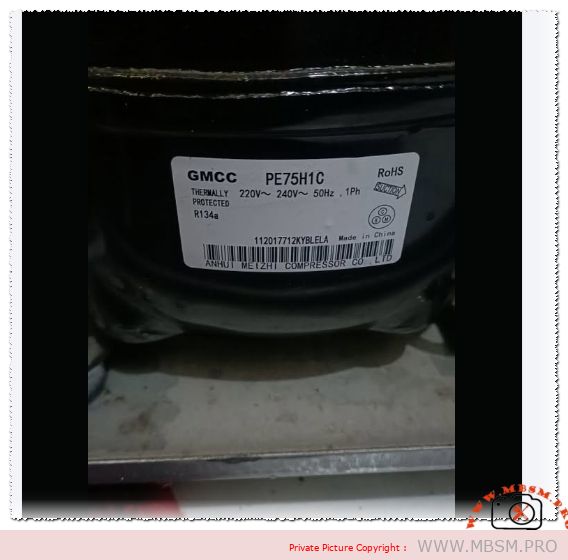
  3. GMCC: PE75H1C (Slightly higher displacement, very reliable)
  4. Secop (Danfoss): PL50F (Compact design for limited spaces)
  5. Tecumseh: FFI6HAK (Standard American replacement)

5 Compressor Replacements (R600a – Different Gas):
Note: Converting from R134a to R600a requires a complete system flush, oil replacement, and potentially a capillary tube adjustment.

  1. TEE: NTU170MT
  2. Cubigel: HMK12AA
  3. Secop: HTK12AA
  4. Huayi: HYB12MHU
  5. Jiaxipera: NT1114Y

Field Engineering Advice and Notices

  • Vacuum Standards: Because R134a systems use POE oil, they are highly sensitive to moisture. A deep vacuum of at least 500 microns is mandatory. Failure to achieve this will lead to acid formation, which destroys the motor windings over time.
  • Thermal Protection: If the compressor “clicks” off frequently, ensure the condenser coils are clean. Static-cooled compressors like the HYE69Y63 rely on natural convection; dust buildup can cause the internal thermal protector to trip prematurely.
  • Start Components: Always replace the PTC relay and the overload protector when installing a new compressor. A fatigued relay can cause the start winding to stay energized too long, leading to a catastrophic burnout of the new unit.
  • Charging by Weight: For R134a, always charge using a digital scale to the exact weight specified on the refrigerator’s nameplate. Charging by “pressure feel” often leads to overcharging, which increases the stress on the 1/5 HP motor.

Conclusion and Practical Benefits

The Huayi HYE69Y63 is a resilient, mid-range compressor that provides a stable cooling solution for millions of households worldwide. For the engineer, it represents a standard “plug-and-play” solution for a wide variety of refrigeration brands. Its dual-frequency capability and high copper-content windings make it an exceptionally forgiving unit in regions where power grid stability may fluctuate.
Huayi HYE69Y63 Compressor 1/5 HP R134a LBP mbsmpro


GMCC PE75H1C Compressor 1/4 HP R134a LBP

gmcc-pe75h1c-compressor-1-4-hp-r134a-lbp-mbsmpro

Focus keyphrase: GMCC PE75H1C Compressor 1/4 HP R134a LBP Technical Specifications Wiring Diagram and Replacement Cross-Reference Guide

SEO title: Mbsmpro.com, Compressor, GMCC, PE75H1C, 1/4 hp, R134a, 185 W, 1.2 A, 1Ph 220-240V 50Hz, LBP, RSIR, -35°C to -10°C, freezing

Meta description: Professional technical analysis of the GMCC PE75H1C compressor. High-efficiency 1/4 HP LBP unit for R134a refrigeration. View wiring schemas, performance tables, and compatible replacements.

Slug: gmcc-pe75h1c-compressor-r134a-1-4-hp-lbp-specs

Tags: Mbsmgroup, Mbsm.pro, mbsmpro.com, mbsm, GMCC, PE75H1C, R134a, 1/4 HP, LBP, Refrigerator Compressor, HVAC, GL90AA, EMT6170Z, FFI7.5HAK, NL7F, NTU170MT, HMK12AA, HTK12AA, HYB12MHU, NT1114Y

Excerpt: The GMCC PE75H1C is a robust hermetic reciprocating compressor engineered for low back pressure applications using R134a refrigerant. Operating at 220-240V 50Hz, this 1/4 HP motor provides a cooling capacity of approximately 185W. This article provides technical datasheets, electrical wiring schemas, and professional cross-reference guides for global refrigeration maintenance and engineering.


Engineering Excellence: The GMCC PE75H1C Hermetic Compressor for R134a Systems

In the world of thermal management and domestic refrigeration, the GMCC PE75H1C stands as a benchmark for reliability and volumetric efficiency. Manufactured by Anhui Meizhi Compressor Co., Ltd (a Midea Group venture), this unit is a staple in high-performance household refrigerators and chest freezers. As an engineer who has worked extensively on the field, I can attest that the “PE” series represents a balance between compact mechanical design and thermal endurance.

This compressor is designed for Low Back Pressure (LBP) cycles, making it ideal for freezing applications where evaporation temperatures drop significantly below zero. Utilizing R134a, it remains a common choice for technicians servicing existing infrastructure where synthetic oils are standard.

Detailed Technical Specifications

Feature Specification
Model PE75H1C
Utilisation (mbp/hbp/lbp) LBP (Low Back Pressure)
Domaine (Freezing/Cooling) Freezing / Deep Cold
Oil Type and quantity POE (Ester Oil) – Approx. 180 ml
Horsepower (HP) 1/4 HP
Refrigerant Type R134a
Power Supply 220-240V ~ 50Hz / 1 Phase
Cooling Capacity BTU 631 BTU/h (approx. 185W)
Motor Type RSIR (Resistive Start – Inductive Run)
Displacement 7.5 cm³
Winding Material High-Grade Copper
Pression Charge 0.8 to 1.3 Bar (Low side)
Capillary 0.031″ or 0.8mm ID
Refrigerator Models Midea, Toshiba, Samsung, various local brands
Temperature function -35°C to -10°C
With fan or no Static Cooling (No fan required)
Commercial or no Domestic / Light Commercial
Amperage in function 0.9 A to 1.2 A
LRA (Locked Rotor Amps) 11.0 A
Type of relay PTC Starter
Capacitor or no No (Standard RSIR)

Electrical Wiring Schema (RSIR Logic)

For field technicians, identifying the terminal pins is critical to prevent accidental motor burnout. The GMCC PE75H1C follows the standard triangular layout:

  1. C (Common): The apex pin. Connected to the line voltage through the internal Thermal Overload Protector.
  2. M (Main/Run): Bottom-right pin. Connected to the Neutral line.
  3. S (Start): Bottom-left pin. Connected via the PTC (Positive Temperature Coefficient) relay.

Operational Logic: Upon startup, the PTC relay allows current to flow to the Start winding. As the PTC heats up, its resistance increases dramatically, effectively cutting off the Start winding once the motor reaches sufficient RPM, leaving only the Main winding energized.


Performance Comparison: GMCC PE75H1C vs. Industry Standards

When comparing the PE75H1C to other compressors in the same class, we look at the Coefficient of Performance (COP) and displacement efficiency.

Metric GMCC PE75H1C (R134a) Equivalent R600a Model
Gas Displacement 7.5 cm³ 11.2 cm³
Efficiency (W/W) 1.25 1.45
Charge Weight Standard (120g – 150g) Low (40g – 60g)
Pressure Delta Moderate Low

Professional Replacement Cross-Reference

Choosing the right replacement is vital for maintaining the refrigerator’s original thermal balance.

5 Compressor replacements in same value (R134a):

  1. Zem/ACC: GL90AA
  2. Embraco: EMT6170Z or FFI 7.5HAK
  3. Secop (Danfoss): NL7F
  4. Huayi: AE1380Y
  5. Tecumseh: THB1375YSS

5 Compressor replacements in same value (R600a Conversion):
Notice: Conversion requires a full system flush and capillary adjustment.

  1. TEE: NTU170MT
  2. Cubigel: HMK12AA
  3. Secop: HTK12AA
  4. Huayi: HYB12MHU
  5. Jiaxipera: NT1114Y

Engineering Advice and Best Practices

  • Thermal Protection: The “Thermally Protected” label indicates an internal bimetallic switch. If the compressor stops and feels extremely hot, do not force a restart. Let it cool for 30 minutes. Check the condenser coils for dust; poor airflow is the primary killer of the PE75H1C.
  • Oil Compatibility: This unit uses POE (Polyolester) oil. Never mix mineral oil (MO) with this system. If you are retrofitting, ensure the system is flushed with nitrogen to remove moisture, as POE oil is highly hygroscopic.
  • Vacuum Standards: For R134a systems, reaching a vacuum of at least 500 microns is non-negotiable. Residual moisture reacts with R134a and POE oil to create acid, which will eventually dissolve the copper windings.
  • Startup Amperage: If the compressor draws high amperage (above 5A) and trips the protector, first replace the PTC relay. These components degrade over time and are a common point of failure before the motor itself fails.

Benefits of the GMCC PE75H1C

The primary benefit of this model is its durability in tropical climates. The motor is wound with high-quality copper that resists heat better than aluminum alternatives. Its compact footprint also makes it versatile for a wide range of refrigerator brands, simplifying inventory for HVAC professionals.

GMCC PE75H1C Compressor 1/4 HP R134a LBP mbsmpro


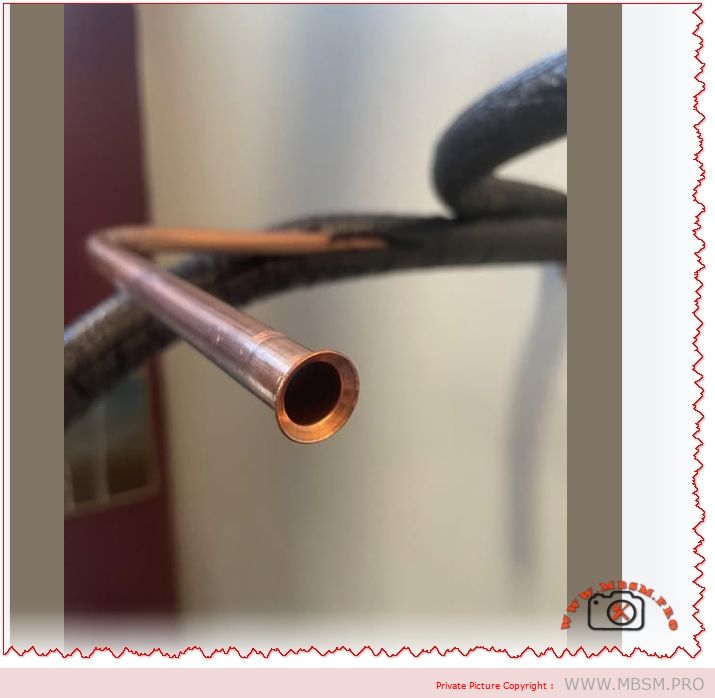
Copper Pipe Flaring: Common Mistakes and How to Avoid Them in HVAC and Plumbing Installations

Copper Pipe Flaring: Common Mistakes and How to Avoid Them in HVAC and Plumbing Installations

Improper flaring can lead to refrigerant leaks, system inefficiency, and costly repairs. This guide outlines the most frequent errors and how to engineer flawless connections.

Mbsmpro.com, Copper Pipe, Flaring, HVAC, Plumbing, R600a, Mini-Split, Leak Prevention, Soft Copper, Flaring Block, 1/4″, 3/8″, 1/2″, 5/8″, Refrigerant Line

Understanding Copper Pipe Flaring

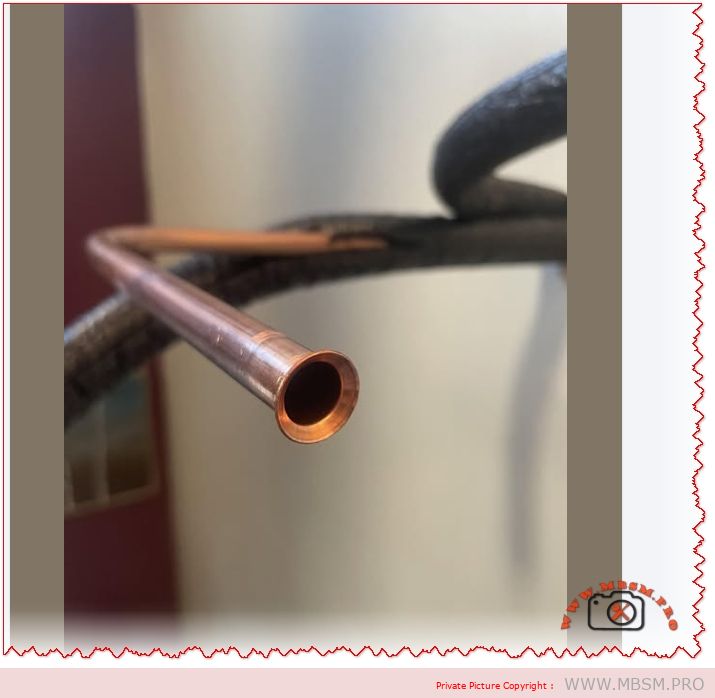
Flaring is the process of shaping the end of a copper pipe into a conical form to create a tight seal with flare fittings. It’s widely used in HVAC systems, refrigeration lines, and plumbing to ensure leak-proof connections—especially when working with R600a, R134a, or R410A refrigerants.

Common Mistakes in Copper Pipe Flaring

Mistake Impact Correction
Uneven flare Causes leaks Use calibrated flaring tools
Over-tightening Damages flare face Torque to spec using flare nut wrench
Under-tightening Loose connection Confirm seal with leak detector
Dirty pipe ends Poor seal Clean and deburr before flaring
Wrong pipe size Misfit with flare nut Match pipe with fitting size (e.g., 1/4″, 3/8″)
No lubrication Cracked flare Use flare oil or refrigerant-safe lubricant
Using hard copper Cracks during flaring Use soft copper tubing only

Comparison: Flaring vs. Brazing

Method Seal Quality Ease of Repair Tool Cost Leak Risk
Flaring High (if done right) Easy Low Medium
Brazing Very High Difficult High Low

Flaring is preferred for mini-split systems and field repairs, while brazing is ideal for permanent joints.

Engineering Tips for Perfect Flares

  • Use a flaring block or hydraulic flaring tool for consistent results.
  • Heat the pipe slightly if working in cold environments to prevent cracking.
  • Inspect flare face for concentric rings and smooth finish.
  • Always pressure test after installation to verify seal integrity.

Benefits of Proper Flaring

  • Leak-free connections reduce refrigerant loss and environmental impact.
  • Improved system efficiency due to stable pressure.
  • Longer equipment life with reduced wear on compressors and valves.

Focus Keyphrase

Copper Pipe Flaring Common Mistakes HVAC Plumbing Leak Prevention Soft Copper Mini-Split Refrigerant Line Installation Guide

SEO Title

Mbsmpro.com, Copper Pipe, Flaring, HVAC, Plumbing, R600a, Mini-Split, Leak Prevention, Soft Copper, Flaring Block

Meta Description

Avoid costly leaks and system failures by mastering copper pipe flaring. Learn the most common mistakes in HVAC and plumbing, plus engineering tips for perfect flare connections.

Slug

copper-pipe-flaring-mistakes-hvac-plumbing-guide

Tags

Copper Pipe, Flaring, HVAC, Plumbing, R600a, Mini-Split, Leak Prevention, Soft Copper, Mbsmgroup, Mbsm.pro, mbsmpro.com, mbsm, Refrigerant Line, Flaring Block

Excerpt

Copper pipe flaring is essential for leak-free HVAC and plumbing systems. This guide covers common mistakes, engineering tips, and comparisons with brazing to help technicians achieve perfect connections.

Mbmpro-2026-01-08_235817 mbsmpro


Key HVAC full forms

Mbsmpro.com, HVAC Abbreviations, HVAC, AHU, FCU, CSU, PAC, BTU, PSI, TR, VAV, VRV, VRF, RPM, DC, DB, ACB

Key HVAC full forms

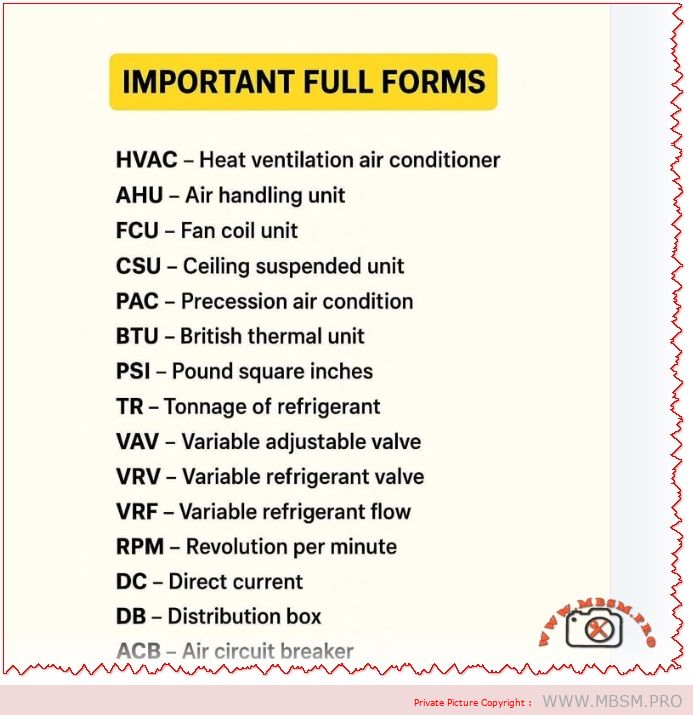
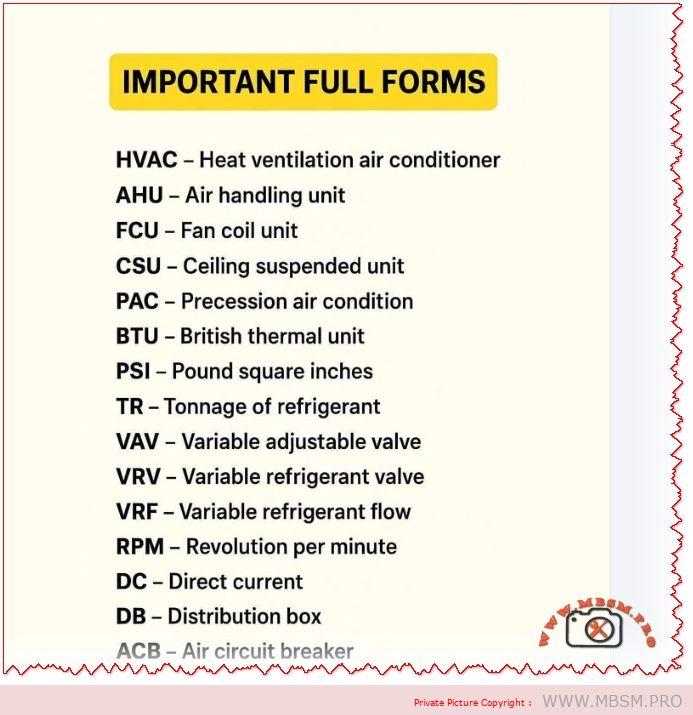
In daily HVAC practice, technicians use many abbreviations that can confuse beginners and even young engineers. Below is a corrected, standards‑based list of the most common terms and what they really mean.

Abbreviation Correct full form Technical note
HVAC Heating, Ventilation and Air Conditioning General term for comfort and process air‑conditioning systems.
AHU Air Handling Unit Central unit with fan, filters and coils that conditions and distributes air through ductwork.
FCU Fan Coil Unit Small terminal unit with fan and coil, usually serving a single room or zone.
CSU Ceiling Suspended Unit (often a type of fan coil or cassette) Manufacturer term; not standardised like AHU/FCU but widely used in catalogs. 
PAC Precision Air Conditioner High‑accuracy unit for data centers, labs and telecom rooms, with tight temperature and humidity control.
BTU British Thermal Unit Heat quantity needed to raise 1 lb of water by 1 °F; 1 refrigeration ton = 12 000 BTU/h.
PSI Pounds per Square Inch Pressure unit for refrigerants, water and air in piping and vessels.
TR / Ton Ton of Refrigeration Cooling capacity of 12 000 BTU/h, roughly 3.517 kW, used to size chillers and package units.
VAV Variable Air Volume Air‑distribution system that keeps supply temperature almost constant while varying airflow to each zone.
VRV Variable Refrigerant Volume (Daikin trade name) Brand name for multi‑split systems using variable refrigerant flow technology.
VRF Variable Refrigerant Flow Generic term for inverter‑driven multi‑split systems that modulate refrigerant flow to many indoor units.
RPM Revolutions per Minute Rotational speed of motors, fans and compressors.
DC Direct Current Unidirectional electric current used in ECM fan motors, inverter drives and controls.
DB Dry‑Bulb (temperature) or Distribution Board (electrical) In HVAC drawings DB usually means dry‑bulb temperature; in electrical layouts, it means distribution board.
ACB Air Circuit Breaker High‑capacity protective device used in main LV switchboards feeding large HVAC plants.

These definitions correct several mistakes often seen on social media, such as “Heat ventilation air conditioner” for HVAC or “Pound square inches” for PSI, which are not accepted engineering terms.


How these terms work in real projects

Understanding the context of each abbreviation is essential when reading specifications or troubleshooting systems on site.

  • HVAC vs PAC

    • HVAC usually refers to comfort systems for offices, homes and shops, with temperature bands around 22–26 °C and moderate humidity control.
    • PAC targets critical rooms, maintaining about ±1 °C and tight humidity to protect IT or laboratory equipment, often running 24/7 with redundancy.

  • AHU, FCU and CSU in a building

    • An AHU supplies large zones via ducts, while FCUs or CSUs act as terminal units in rooms where local control and compact installation are required.
    • Designers often combine one AHU with many FCUs/CSUs to balance fresh air quality, energy efficiency and individual comfort.

  • Tonnage (TR) and BTU in equipment selection

    • Manufacturers still rate split and rooftop units in BTU/h for the global market, while consultants size plants in tons or kW, so technicians must convert between units quickly.
    • On residential projects, 1–2 ton units dominate, while data centers or malls may require hundreds of tons on central chillers or VRF networks.


Comparing VAV, VRF and traditional systems

Many designers now face a practical choice between classic VAV ducted systems and newer VRF/VRV systems. Below is a concise comparison that can help technicians justify selections to clients.

System comparison in practice

Feature VAV system VRF / VRV system Conventional constant‑volume DX
Energy control Varies air volume with nearly constant supply temperature. Varies refrigerant flow using inverter compressors. Fixed compressor and constant airflow, controlled by on/off cycling.
Ductwork Requires extensive ducts, plenums, and balancing dampers. Often ductless or with short ducts from indoor units. Medium ductwork, usually single‑zone per unit.
Indoor units VAV boxes with reheat coils or dampers at zones. Multiple indoor fan coils (wall, cassette, ducted, ceiling suspended). One indoor unit per outdoor condenser.
Best applications Large open‑plan offices, hospitals, airports with central plant. Mixed‑use buildings, hotels, retrofits where duct space is limited. Small shops, houses, standalone rooms.

From a maintenance viewpoint, VRF/VRV brings more electronic controls and refrigerant circuitry, while VAV focuses on dampers, actuators and good air‑side balancing.


Typical values and practical examples

To make these abbreviations more concrete for field technicians, the table below summarizes indicative values that are often encountered in manuals and commissioning reports.

Parameter Typical range / example Where it is used
TR (Ton of Refrigeration) Small split: 1–2 TR, VRF module: 8–20 TR, chiller: 50–500+ TR. Cooling capacity on nameplates, load calculations.
PAC room set‑point 22–24 °C, 45–55% RH, tolerance ±1 °C. Data centers, telecom shelters, medical labs.
VAV supply air temp About 12–14 °C constant; airflow modulates with load. AHU discharge in variable air volume systems.
VRF evaporating temp Usually −5 to +10 °C depending on mode and design. Service data on outdoor units.
Fan / motor RPM 900–1 400 RPM for large AHU fans, 2 800–3 600 RPM for small compressors. Motor nameplates, balancing reports.
Common refrigerant pressures R410A suction: 110–145 PSI, discharge: 350–450 PSI in cooling at comfort conditions (approximate). Gauge readings when interpreting PSI in service.

Knowing these values helps technicians quickly judge whether measured TR, PSI, RPM or temperature readings are normal or indicate faults.


Why accurate full forms matter for SEO and training

Correct terminology is not only important on drawings and control panels; it also has direct impact on SEO and on how junior technicians learn from the web. When HVAC blogs repeat wrong expansions like “Precession air condition” for PAC or “Variable refrigerant valve” for VRV, they create confusion and may even mislead search engines.

For a site such as Mbsmpro.com, using standard full forms aligned with ASHRAE‑style abbreviation lists increases topical authority and helps rank for professional queries like “HVAC abbreviations BTU PSI TR” or “difference between VRF and VAV”.


Key HVAC full forms mbsmpro

Focus keyphrase

HVAC abbreviations full forms HVAC AHU FCU CSU PAC BTU PSI TR VAV VRV VRF RPM DC DB ACB


SEO title

HVAC Abbreviations Explained: HVAC, AHU, FCU, PAC, BTU, PSI, TR, VAV, VRV, VRF, RPM, DC, DB, ACB | Mbsmpro.com


Meta description

Learn the correct full forms of key HVAC abbreviations such as HVAC, AHU, FCU, PAC, BTU, PSI, TR, VAV, VRV, VRF, RPM, DC, DB and ACB, with practical examples and system comparisons for technicians and engineers.


Slug

hvac-abbreviations-full-forms-hvac-ahu-fcu-pac-btu-psi-tr-vav-vrv-vrf-rpm-dc-db-acb


Tags for WordPress

HVAC abbreviations, HVAC full forms, HVAC, AHU, FCU, PAC, BTU, PSI, TR, VAV, VRV, VRF, RPM, Direct current, Dry bulb temperature, Air handling unit, Fan coil unit, Precision air conditioner, Variable refrigerant flow, Variable air volume, refrigeration ton, Mbsmgroup, Mbsm.pro, mbsmpro.com, mbsm


Excerpt (first 55 words)

In daily HVAC practice, technicians use many abbreviations that can confuse beginners and even young engineers. This article explains the most important HVAC abbreviations and their correct full forms, including HVAC, AHU, FCU, PAC, BTU, PSI, TR, VAV, VRV, VRF, RPM, DC, DB and ACB, with practical notes for real projects.


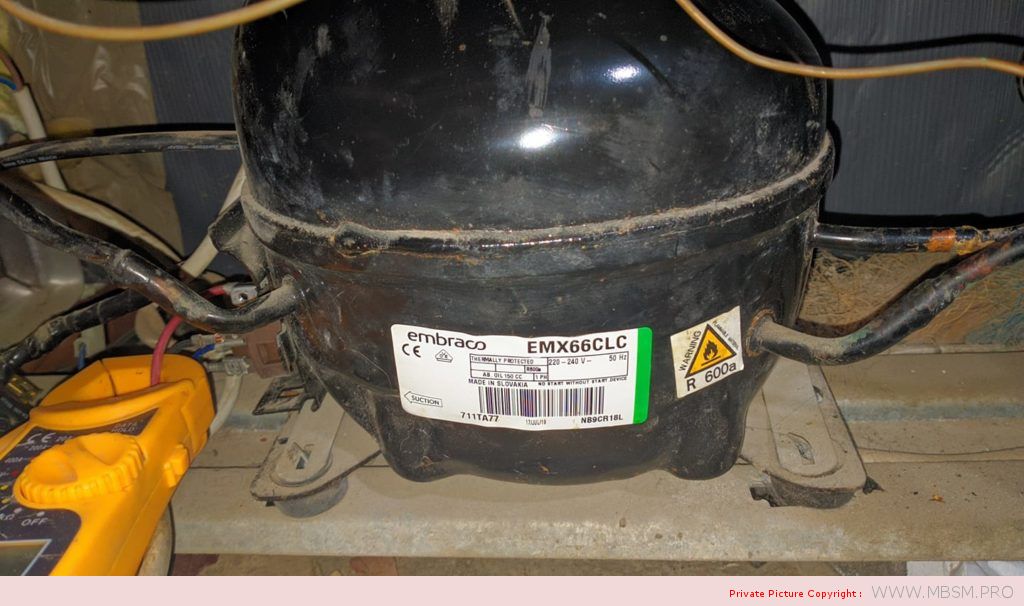
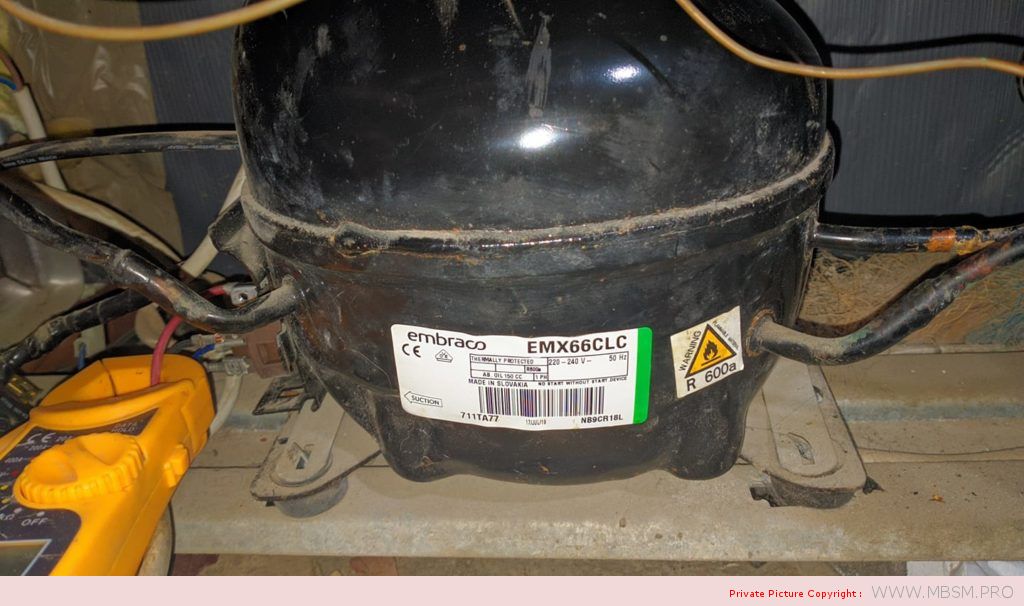
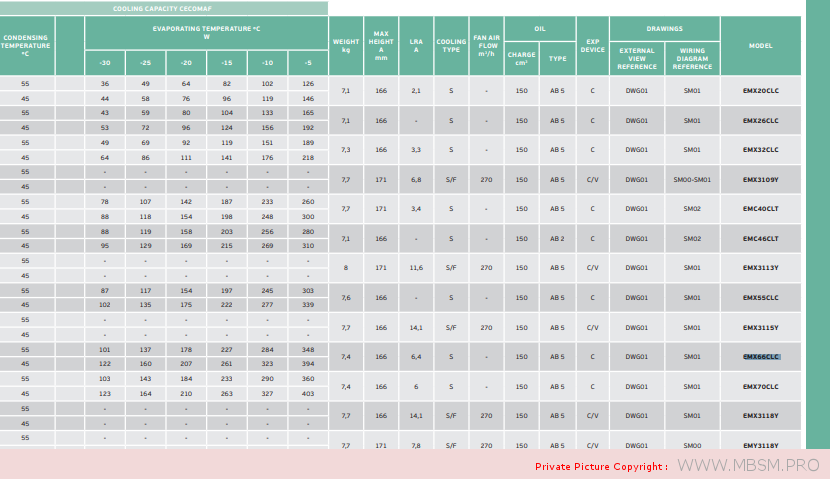
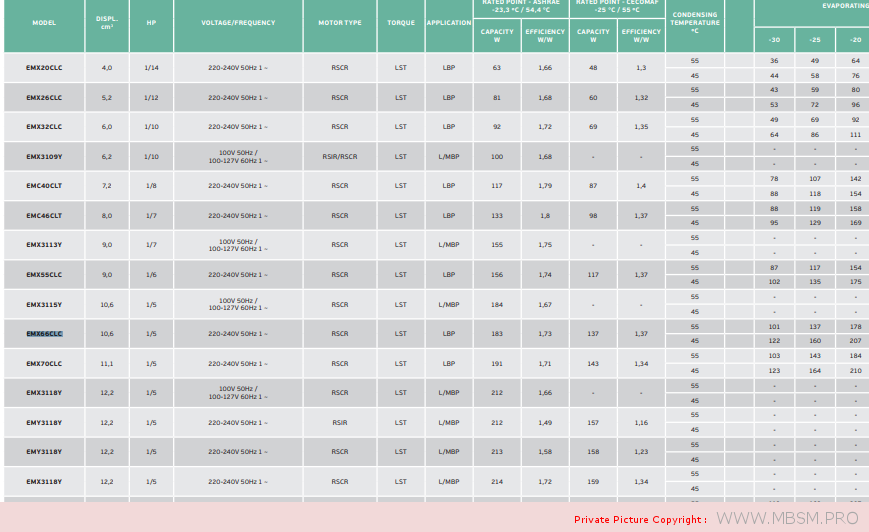
EMX66CTC, Embraco, compresseurs, 183w, 240v / 50 1/4 HP, R600A, hermétiques, HVAC, + Ptc, Alu, Hotpoint, Indesit, Whirlpool, LBP, Cylindrée (cm3)10,61


catégorie de produit
Compresseurs de réfrigération et compresseurs de climatisation
Capacité
0,14 kW (0,1840 ch)
Évaluation du réfrigérant
R-600a
EER
1,18
Source d’énergie
230/50/1
Options de réfrigérant
R-600a


Ce produit  est compatible avec les modèles suivants : RSZ 3032 V L BSZ 3032 V BAAAAN 10 SBL 2031 V/HA UPS 1721 F/HA UFAAN 400 NF UPS 1721 F J/HA UPS 1721 F J/HA UPS 1722 F J/HA CAA 55 BAAAN 12 SBL 2030 V/HA IUPS 1722 F J IUPS 1722 F J IUPS 1721 F J EXFL 2010 P FFFL 2010 K EXFL 2010 G SBL 203A V CAA 55 NX BIAAA 12 NCAA 55 NCAA 55 NX BIAAA 10 X BIAAA 10 UIAA 12 F UIAA 22 Y UIAA 12 F R (UK) UIAA 10 F EBYH 20320 V EBL 20311 V EBL 20321 V EBLH 18311 V O3 EBYH 18321 V NCAA 55 (UK) CAA 55 (UK) CAA 55 K (UK) CAA 55 S (UK) UPSY 1721 F J UPSY 1722 F J FZFM 151 G FZFM 151 P FZFM 171 P FZFM 171 G HSZ3022VL HSZ3022VL BIAA 33 F SI Y BIAA 33 F X H Y RFAA52P RFAA52S RFAA52K EBYH 18242 F EBYH 18242 F EBYH 18201 F EBYH 18201 F UIA 12 (EX) UIA 12 S (EX) FFUL 2012 P FFUL 2012 X FFUL 2012 X BIAAA 12 X HM325NI IN C 325 AA UK STF200WP NCAA 55 S (UK) EBYH 18213 F O3 H 18223 F O3 EBYH 18223 F O3 STF200WG FUFL 2010 P EBLH 18301 V O3 FZFM 171 SB NBIAAA 10 NRFAA50S NRFAA50P EBMH 17321 NX NCAA 55 K UK CAA 55 NX UK FFFL 2013 P (O3) FFFL 2013 P (O3) FFFL 2013 X L 2013 X (O3) EBY 18211 F BIAAA 12 UK IUPSY 1722 F J DBIAA 344 F UK UPS 1521.1 RZFM 151 P.1 RZFM 151 G.1 UPS 1521 (TK).1 FFUL 2012 G UIAA 10 (TK).1 UIAA 12 S.1 NUIAA 12.1 UIAA 12 S (UK).1 UIAA 10 S.1 UIAA 12.1 UIAA 12.1 UIAA 10. 12 (UK).1 UIAA 10 (UK).1 UIAA 10.1 BCZ L 400 X (BI)/HA HTF200WP HTF200WG UPS 1746.1 T IN C 425 AA UK FFFL 2012 P FFFL 2012 G AFAA 52 P AI AFAA 52 K AI AFAA 52 S AI CAA 55 S NCAA 55 K EBYH 18242 D F YH 18242 D F ECORM 172 P ECOFL 2010 G ECOFL 2010 G ECOFL 2010 P ECOFL 2010 P BIAAA 12P X NBIAAA 10P BIAAA 12P BIAAA 10P X BIAAA 12P UK BIAAA 10P HM325NI AI UPS 1521 F (TK) NEBYH 18242 F UIAA 12 F I X UX UIX UIX IAA 12 F I UPSI 1721 F/HA UPSI 1721 F (TK)/HA UPSI 1722 F J/HA UPSI 1722 J FSFL 2010 P FZFI 171 G FZFI 171 P UPSO 1722 F J UPSO 1721 F J IUPSO 1721 F J et plus.